


As healthcare professionals, we all know how important it is to wear the right protective gear when on duty. One of the most essential pieces of equipment is the bouffant cap. This simple yet effective cap has been a staple in the medical industry for decades. However, despite its importance, there are some pain points associated with its use that should be addressed.

- The first and probably the most significant pain point of the bouffant cap is its limited size. For people with long and thick hair, finding a cap that fits well can be a challenge. In addition, people who have a larger head or those with facial hair may find it difficult to wear a bouffant cap comfortably. As a result, this can lead to a decrease in overall compliance with wearing the cap, which can expose patients and healthcare providers to unnecessary risks.
- Another pain point of the bouffant cap is the material used in its composition. Most bouffant caps on the market are made of non-woven polypropylene material, which is not be used for people who is sensitive with this material. For healthcare providers who wear these caps for many hours, skin irritation can lead to discomfort and even skin damage. Furthermore, the use of non-breathable materials can also increase the risk of excessive sweating, which can lead to a buildup of bacteria and unpleasant odors.
- Finally, the traditional bouffant cap design can also be a source of frustration for healthcare professionals. The cap covers the entire head, including the ears, which can make it difficult to hear and communicate with coworkers and patients. In addition, the caps' loose fit can cause them to fall off or get caught in equipment, posing a safety hazard.
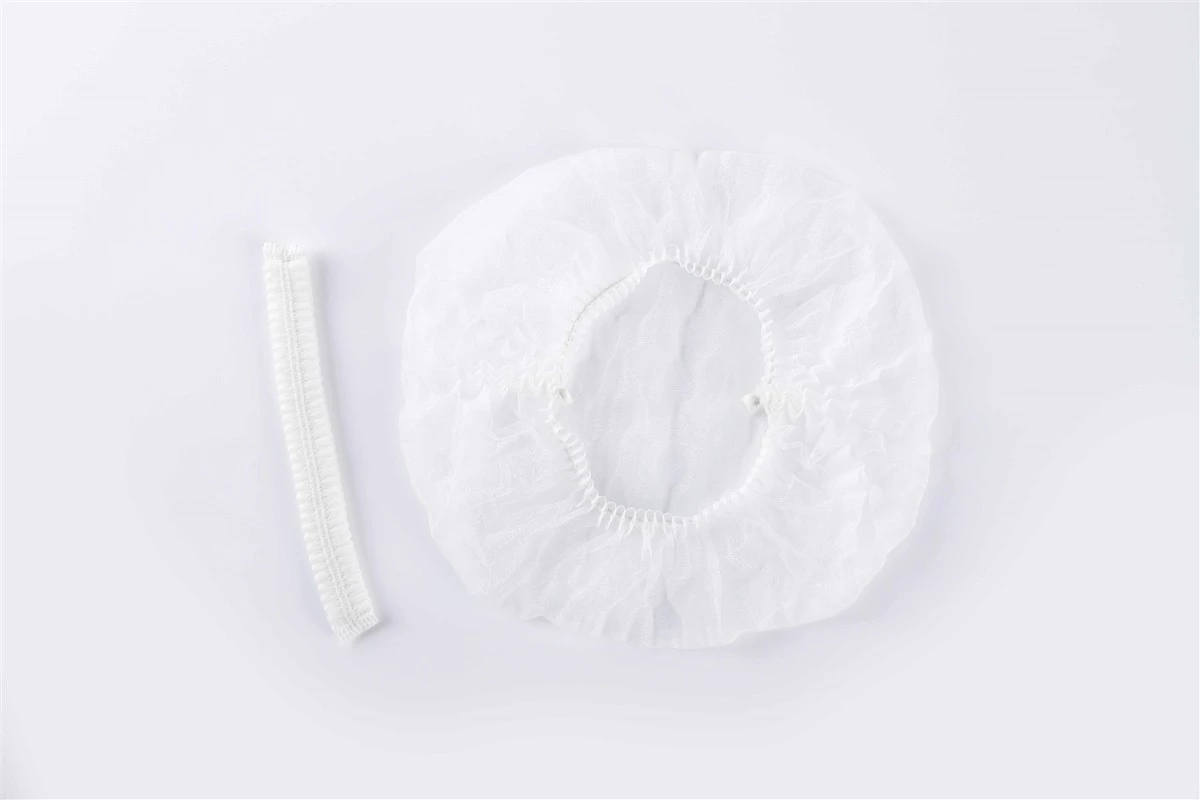
In conclusion, while the bouffant cap remains an essential piece of equipment in the medical industry, its design and materials can lead to several pain points for healthcare providers. To mitigate these issues, manufacturers should consider creating bouffant caps that accommodate people with long or thick hair, facial hair, or larger head sizes. They can also explore alternative materials that are less irritating and more breathable. Finally, redesigning the cap to not cover the ears and secure better may improve communication and safety. By taking these steps, healthcare professionals can have access to better protective gear for their work, and patients will be better protected.