


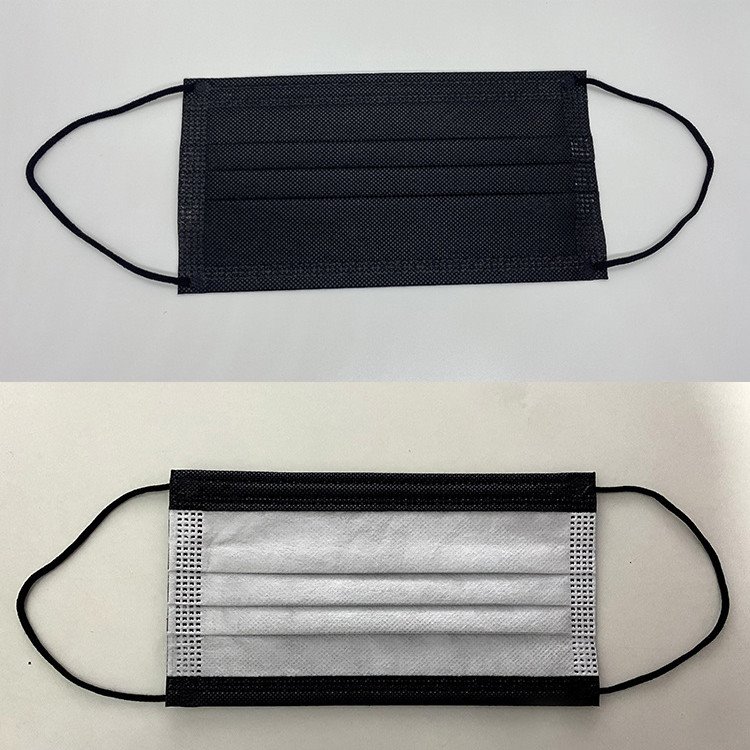
In the wake of the global health crisis, the use of disposable face masks with tie - on has become ubiquitous. As a supplier of these essential protective items, including 3ply Beauty Parlor Disposable Mask, 3 Ply PP Non Woven Face Mask, and Disposable Black 3ply Mask, I understand the significance of not only providing high - quality masks but also educating users on their proper disposal. Improper disposal of used masks can pose serious risks to public health and the environment. In this blog, I will share some scientific and practical methods for safely disposing of used disposable face masks with tie - on.
Why Safe Disposal Matters
Disposable face masks with tie - on are designed to protect the wearer and those around them from harmful particles, droplets, and microorganisms. Once used, these masks can be contaminated with various pathogens, such as bacteria and viruses. If not disposed of properly, these pathogens can spread to the environment, potentially infecting others.
Moreover, discarded masks can also cause environmental problems. They are often made of non - biodegradable materials like polypropylene. When littered, they can end up in water bodies, forests, and other natural habitats, causing harm to wildlife and disrupting ecosystems. For example, animals may mistake masks for food, leading to ingestion and potential death.
Steps for Safe Disposal
Step 1: Remove the Mask Properly
Before disposing of the mask, it is crucial to remove it correctly to avoid self - contamination. Wash your hands thoroughly with soap and water for at least 20 seconds or use an alcohol - based hand sanitizer with at least 60% alcohol. Avoid touching the front of the mask, as this is the part most likely to be contaminated. Instead, untie the strings at the back of your head or ears and gently lift the mask away from your face.
Step 2: Fold the Mask
Fold the mask in half so that the outer, contaminated side is facing inwards. This helps to contain the pathogens within the mask and reduces the risk of spreading them during disposal. You can fold it either horizontally or vertically, depending on your preference.
Step 3: Secure the Folded Mask
To prevent the mask from unfolding and exposing the contaminated side, you can use a twist tie, a piece of string, or a rubber band to secure the folded mask. This step is especially important if you are placing the mask in a shared trash bin, as it reduces the chance of the mask coming into contact with other items in the bin.
Step 4: Place the Mask in a Sealed Bag
Put the folded and secured mask into a plastic bag. A small zip - lock bag or a disposable plastic grocery bag can work well. Seal the bag tightly to prevent any leakage. This additional layer of protection helps to contain the mask and its contaminants, reducing the risk of spreading pathogens to the environment.

Step 5: Dispose of the Bagged Mask in the Trash
Place the sealed bag with the used mask in a regular trash bin. Avoid throwing the mask directly into the bin without a bag, as this can increase the risk of contamination. Make sure to use a trash bin with a lid to further prevent the spread of pathogens. If possible, use a bin that is emptied regularly to reduce the amount of time the mask spends in the bin.
Special Considerations
For Healthcare Workers
Healthcare workers are at a higher risk of coming into contact with highly infectious pathogens. In healthcare settings, used masks should be disposed of in special medical waste containers. These containers are designed to safely handle and transport medical waste, including contaminated masks. They are often color - coded and labeled to indicate the type of waste they can accept. Healthcare workers should follow strict protocols and guidelines for disposing of medical waste to ensure the safety of themselves and others.
For People with Symptoms
If you are experiencing symptoms such as fever, cough, or shortness of breath, it is advisable to inform the local health authorities. They may provide specific instructions on how to dispose of your used masks safely. In some cases, they may recommend using a separate trash bin for your household's used masks to prevent cross - contamination within the home.
For Recycling
While most disposable face masks are not currently recyclable due to their complex structure and contamination, some research is being done on potential recycling methods. For example, some companies are exploring ways to break down the polypropylene in masks and reuse it to make new products. However, until these technologies become more widespread and accessible, it is best to follow the standard disposal methods described above.
Role of the Supplier
As a supplier of disposable face masks with tie - on, I have a responsibility to not only provide high - quality products but also educate consumers on their proper use and disposal. I can include instructions on safe disposal on the product packaging or provide online resources for customers.
In addition, I can also advocate for more sustainable manufacturing and disposal practices. This may involve researching and investing in more environmentally friendly materials for mask production or partnering with waste management companies to develop better disposal solutions.
Encouraging Contact for Procurement
If you are in need of high - quality disposable face masks with tie - on, including our 3ply Beauty Parlor Disposable Mask, 3 Ply PP Non Woven Face Mask, and Disposable Black 3ply Mask, we are here to assist you. Our masks are made from premium materials, ensuring excellent filtration efficiency and comfort. We offer competitive prices and flexible order quantities to meet your specific needs. Whether you are a small business, a large corporation, or an individual, we welcome you to contact us for procurement and discuss your requirements.
References
- World Health Organization. (2020). Advice on the use of masks in the context of COVID - 19.
- Centers for Disease Control and Prevention. (2020). How to wear a mask.
- Environmental Protection Agency. (2021). Managing waste from the COVID - 19 response.