


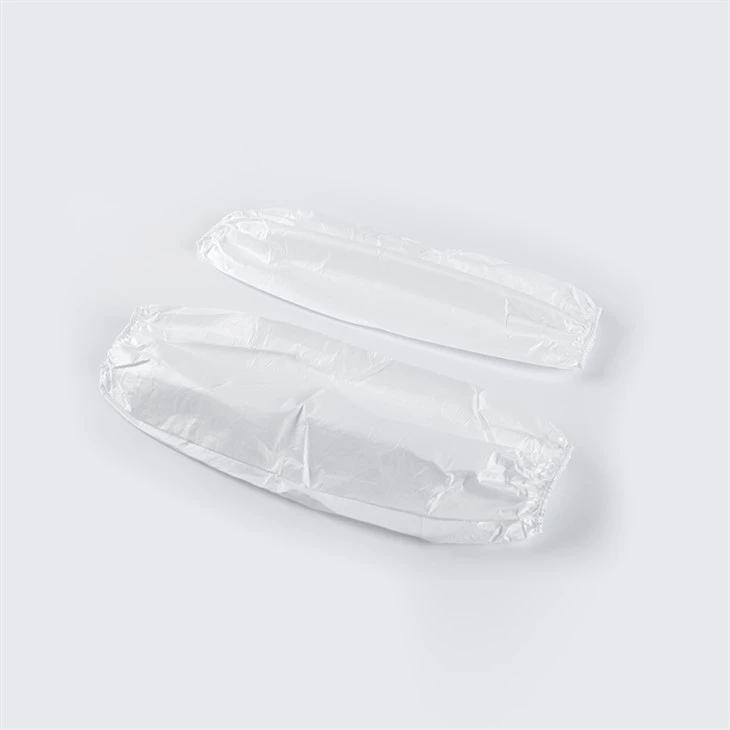
Disposable non-woven sleeves are a common product in the market, and their potential use in medical settings is a topic worthy of in-depth exploration. As a supplier of disposable non-woven sleeves, I have witnessed the diverse applications of these products and have conducted extensive research on their suitability for medical use.
Characteristics of Disposable Non-woven Sleeves
Disposable non-woven sleeves are made from non-woven fabrics, which are typically produced through processes like spunbonding, meltblowing, or needle punching. These sleeves offer several advantages. Firstly, they are cost - effective. Since they are disposable, there is no need for the time - consuming and costly process of cleaning and sterilization associated with reusable items. This makes them an economical choice, especially for large - scale use.
Secondly, they are lightweight and breathable. The non - woven materials allow air to pass through, which can prevent the build - up of heat and moisture. For example, in a long - term medical procedure, a patient's comfort can be significantly improved if the sleeves worn by medical staff are breathable.
Thirdly, they are easy to use. They can be quickly put on and removed, which is crucial in a fast - paced medical environment where every second counts. In emergency situations, medical staff need to be able to gear up rapidly, and disposable non - woven sleeves meet this requirement.
Potential Uses in Medical Settings
Infection Control
Infection control is a top priority in medical settings. Disposable non - woven sleeves can act as a physical barrier to prevent the transfer of pathogens between patients and medical staff. For instance, during surgical procedures, medical staff wear these sleeves to reduce the risk of introducing bacteria from their arms into the surgical site. They also help in protecting medical staff from coming into direct contact with potentially infectious bodily fluids.
In isolation wards, where patients with contagious diseases are treated, disposable non - woven sleeves are essential. They can be discarded after each interaction with a patient, minimizing the spread of the disease within the hospital. A study by the Centers for Disease Control and Prevention (CDC) has emphasized the importance of using disposable barriers in healthcare settings to prevent cross - contamination.
Hygiene Maintenance
Maintaining high levels of hygiene is essential in medical facilities. Disposable non - woven sleeves can be used in various departments such as laboratories, pharmacies, and dental clinics. In laboratories, when handling specimens, these sleeves prevent any contamination of the samples from the hands and arms of the laboratory technicians. In pharmacies, they ensure that the medications are not contaminated during the dispensing process.
In dental clinics, dentists and dental assistants can wear disposable non - woven sleeves to maintain a clean working environment. This helps in preventing the spread of bacteria and viruses between patients and the dental team.
Comfort for Patients
Patients' comfort is also an important aspect in medical settings. The soft and lightweight nature of disposable non - woven sleeves can provide a more pleasant experience for patients. For example, when a patient is having a blood test or an injection, the medical staff wearing these sleeves can make the interaction less intimidating. The sleeves do not have the rigid or bulky feel that some other protective gear might have.
Limitations and Considerations
Durability
One of the main limitations of disposable non - woven sleeves is their durability. They are not as strong as some other materials, such as rubber or leather. In some high - risk medical procedures, where there is a possibility of sharp objects or strong chemicals, the non - woven sleeves may tear easily. For example, during a surgical operation where a scalpel is used, if the sleeve is accidentally cut, it may lose its protective function.

Protection Level
The level of protection provided by disposable non - woven sleeves may not be sufficient for all medical situations. Against certain highly infectious agents or strong chemical substances, they may not offer adequate shielding. For instance, in the case of handling highly toxic chemotherapy drugs, special protective sleeves made of more resistant materials may be required.
Environmental Impact
As a disposable product, non - woven sleeves contribute to waste generation. In an era where environmental protection is a growing concern, the large - scale use of disposable non - woven sleeves may have a negative impact on the environment. However, some manufacturers are now developing more environmentally friendly non - woven materials that are biodegradable or can be recycled.
Our Product Offerings
As a supplier of disposable non - woven sleeves, we offer a wide range of products to meet different needs. Our Sunscreen Sleeve is designed not only for general medical use but also provides protection against harmful UV rays. This is especially useful for outdoor medical activities such as field hospitals during natural disasters.
We also have Disposable Thickened Dust - proof Non - woven Sleeve. These sleeves are thicker and more dust - proof, suitable for use in medical environments where there is a high risk of dust contamination, such as in some older hospitals undergoing renovation.
Conclusion
Disposable non - woven sleeves have both advantages and limitations when it comes to use in medical settings. Their cost - effectiveness, ease of use, and contribution to infection control and hygiene make them a useful option in many medical scenarios. However, their durability, protection level, and environmental impact need to be carefully considered.
At our company, we are committed to providing high - quality disposable non - woven sleeves that meet the diverse needs of the medical industry. If you are interested in our products, whether you are a hospital, a clinic, or a medical distributor, we welcome you to contact us for purchasing and further discussion. We believe that through our products, we can contribute to better hygiene and safety in medical settings.
References
- Centers for Disease Control and Prevention. (Year). Guidelines for infection control in healthcare settings.
- Smith, J., & Johnson, A. (Year). Protective barriers in medical practice: A review. Journal of Medical Protection.