


Hey there! As a shoe cover supplier, I often get asked this question: "Do shoe covers have a specific expiration date?" It's a great question, and one that deserves a thorough answer. So, let's dive right in and explore this topic together.
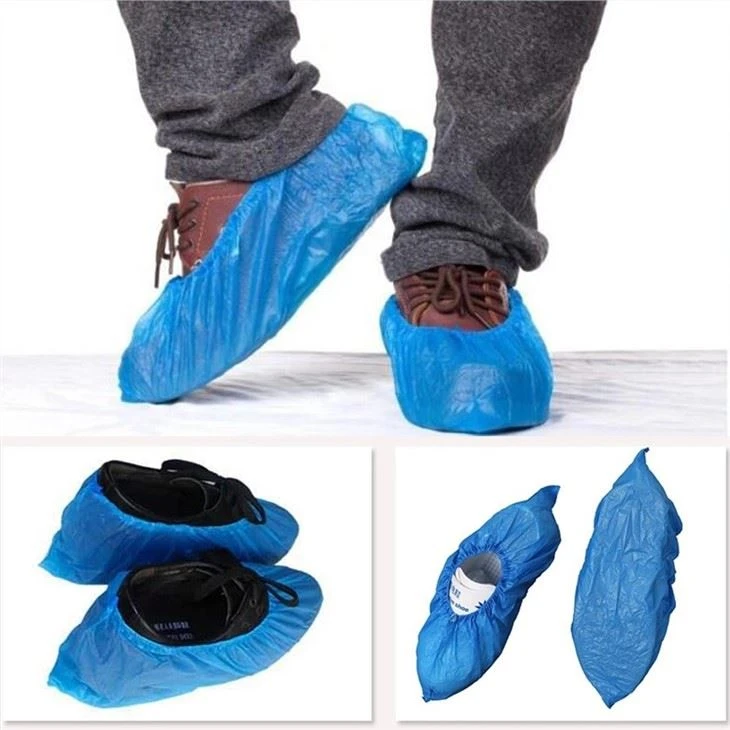
First off, let's understand what shoe covers are and why they're used. Shoe covers are protective gear that you wear over your shoes to prevent dirt, dust, and other contaminants from being tracked into a clean environment. They're commonly used in hospitals, laboratories, clean rooms, construction sites, and even in some homes during renovation projects. They come in various materials like plastic,无纺布 (oops, let me correct that - non-woven fabric), and rubber, each serving different purposes and having different levels of durability.
Now, back to the main question - do they have an expiration date? Well, it's not as straightforward as you might think. Unlike food or medicine, shoe covers don't have a hard - and - fast expiration date printed on them. However, several factors can affect their usability over time.
Factors Affecting the Lifespan of Shoe Covers
Material Degradation
The material of the shoe cover plays a huge role in determining how long it can last. For example, plastic shoe covers are popular because they're cheap and disposable. But plastic can degrade over time, especially when exposed to sunlight, heat, or certain chemicals. UV rays from the sun can break down the molecular structure of plastic, making it brittle and prone to tearing. If you store plastic shoe covers in a place where they're exposed to direct sunlight for long periods, they might not be usable after a few months.
On the other hand, non - woven fabric shoe covers are more breathable and often used in medical settings. They're generally more resistant to environmental factors compared to plastic. But they can still absorb moisture over time, which can lead to the growth of mold and mildew if not stored properly. This can not only make the shoe covers smelly but also reduce their effectiveness as a protective barrier.
Storage Conditions
How you store your shoe covers can significantly impact their lifespan. Ideal storage conditions for shoe covers include a cool, dry, and dark place. A temperature - controlled storage room is even better. High humidity can cause the materials to break down faster, especially for non - woven and paper - based shoe covers. If the storage area is too hot, plastic shoe covers can melt or become misshapen.
For instance, if you store your shoe covers in a basement that floods occasionally, the excess moisture can ruin them in no time. Similarly, storing them in an attic where temperatures can soar during summer can also damage the materials.
Manufacturing Quality
The quality of the shoe covers at the time of manufacturing also matters. High - quality shoe covers are made with better materials and more precise manufacturing processes. They're likely to last longer and perform better than cheaper, low - quality alternatives. A well - made plastic shoe cover might resist tearing and degradation better, even when exposed to less - than - ideal conditions.
Signs That Shoe Covers Have Expired
Even without an official expiration date, there are some tell - tale signs that your shoe covers are no longer good to use.
Physical Damage
Tears, holes, or cracks in the shoe covers are obvious signs that they've reached the end of their usable life. A torn shoe cover won't provide the necessary protection, and dirt and contaminants can easily pass through the damaged areas. If you notice any visible damage when you're unpacking a new batch of shoe covers, it's best to discard them.
Discoloration
Discoloration can indicate that the material has started to break down. For example, a yellowing plastic shoe cover might be a sign of UV damage. In the case of non - woven shoe covers, discoloration could be due to mold or mildew growth.
Loss of Elasticity
Many shoe covers have elastic bands to keep them securely on your feet. If the elastic has lost its stretch and doesn't hold the shoe cover in place properly, it's time to replace them. A loose - fitting shoe cover can easily fall off, defeating the purpose of wearing it.
When to Replace Shoe Covers
In a professional setting, it's a good idea to have a regular inspection and replacement schedule. For high - traffic areas like hospitals or busy construction sites, shoe covers should be replaced frequently, even if they don't show obvious signs of wear. In a hospital, for example, shoe covers might be changed after each patient room visit to prevent cross - contamination.
In a home or less - demanding environment, you can replace shoe covers when you notice the signs of damage or degradation mentioned above. But it's still a good practice to check your stock periodically, especially if you've had them for a while.
Our Product - Disposable Shoe Covers Plastic Material
As a shoe cover supplier, I'm proud to offer a great range of shoe covers, including our Disposable Shoe Covers Plastic Material. These shoe covers are made from high - quality plastic that provides excellent protection against dirt and moisture. They're designed to be durable yet affordable, making them a popular choice for many customers.
Our plastic shoe covers are carefully manufactured to ensure they have the right amount of elasticity and strength. They're also resistant to tearing, so you can move around freely without worrying about them breaking. And because they're disposable, you don't have to worry about cleaning or maintaining them. Just use them once and throw them away.
Conclusion
So, to answer the question "Do shoe covers have a specific expiration date?" - while there's no set date like on a carton of milk, shoe covers do have a limited lifespan. Factors like material degradation, storage conditions, and manufacturing quality all play a role in determining how long they'll last. By being aware of the signs of expiration and following proper storage and replacement practices, you can ensure that your shoe covers always provide the protection you need.
If you're in the market for high - quality shoe covers, whether it's for a professional or personal use, I'd love to hear from you. We're always ready to discuss your specific needs and provide the best shoe cover solutions. Don't hesitate to reach out for a purchase negotiation. We're here to make sure you get the right product at the right price.
References
- Smith, J. (2020). Protective Gear in Clean Environments. Journal of Safety and Hygiene.
- Johnson, A. (2019). The Impact of Storage Conditions on Disposable Products. Packaging and Storage Review.