


As a supplier of Disposable Face Mask with Tie-on, I've often been asked about the water resistance of these masks. This is a crucial question, especially considering the various environments in which masks are used. In this blog, I'll delve into the science behind the water resistance of disposable face masks with tie-on, explore the factors that influence it, and provide insights into our products' performance in this regard.
Understanding Water Resistance in Face Masks
Water resistance in face masks is not just about keeping the wearer dry. It's also about maintaining the mask's integrity and filtration efficiency when exposed to moisture. When a mask gets wet, it can lose its shape, its fibers can become matted, and its ability to filter out particles can be compromised. This is particularly important in situations where the mask may come into contact with water droplets, such as in a medical setting, during outdoor activities in the rain, or in a humid environment.
The water resistance of a face mask is determined by several factors, including the materials used in its construction, the design of the mask, and the manufacturing process. Most disposable face masks with tie-on are made of multiple layers of non-woven fabric. These layers serve different functions: the outer layer is typically designed to repel water, the middle layer provides filtration, and the inner layer is soft and comfortable against the skin.
Materials and Their Impact on Water Resistance
The outer layer of a disposable face mask with tie-on is usually made of a hydrophobic material. Hydrophobic materials have a natural aversion to water, causing water droplets to bead up and roll off the surface rather than being absorbed. This is similar to the way water behaves on a lotus leaf, a phenomenon known as the lotus effect.
One common material used for the outer layer is polypropylene. Polypropylene is a synthetic polymer that is lightweight, strong, and resistant to moisture. It can be treated with additional hydrophobic coatings to enhance its water-repellent properties. These coatings create a thin, invisible barrier on the surface of the fabric, preventing water from penetrating the mask.
The middle layer, which is responsible for filtration, is often made of a melt-blown polypropylene fabric. This fabric has a fine, porous structure that can trap particles such as dust, pollen, and bacteria. While the middle layer is not designed to be water-resistant, it can still be affected by moisture. If the outer layer fails to repel water effectively, the middle layer can become wet, which can reduce its filtration efficiency.
The inner layer of the mask is usually made of a soft, absorbent material such as spunbond polypropylene. This layer is in contact with the wearer's skin and helps to wick away moisture from the face, keeping the wearer comfortable. However, it is not designed to provide water resistance.
Design and Manufacturing Considerations
In addition to the materials used, the design of the mask also plays a role in its water resistance. A well-designed mask should have a tight seal around the edges to prevent water from seeping in. The tie-on design of our disposable face masks allows for a customizable fit, ensuring that the mask stays in place and provides a good seal.
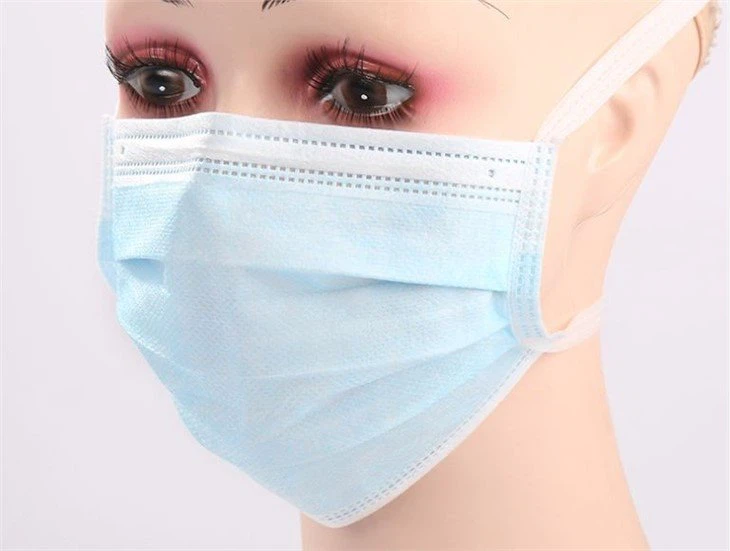
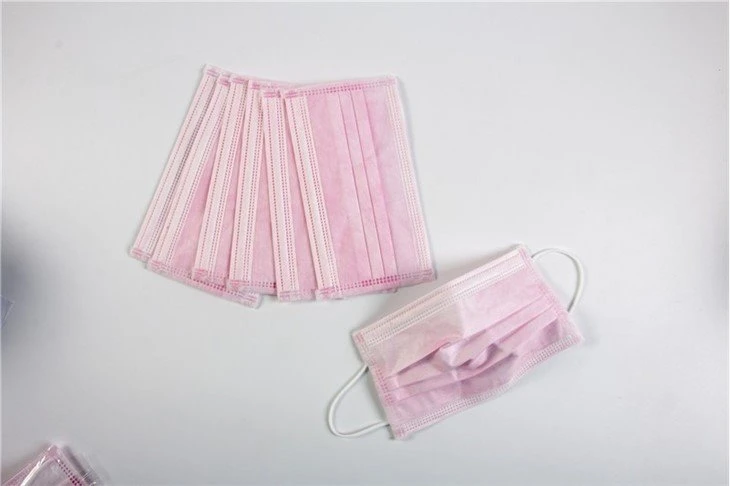
The manufacturing process is also crucial. During the production of the mask, the layers are bonded together using heat or ultrasonic welding. This ensures that the layers are securely attached and that there are no gaps or weak points where water could penetrate.
Testing the Water Resistance of Our Masks
At our company, we take the water resistance of our disposable face masks with tie-on very seriously. We conduct rigorous testing to ensure that our masks meet the highest standards of quality and performance.
One of the tests we use is the water spray test. In this test, a mask is placed on a mannequin head and sprayed with a fine mist of water at a specific pressure and angle. The amount of water that penetrates the mask is then measured. Our masks are designed to pass this test with flying colors, demonstrating their excellent water resistance.
We also test the masks' filtration efficiency before and after exposure to moisture. This helps us to ensure that the masks maintain their ability to filter out particles even when wet. Our results show that our disposable face masks with tie-on retain a high level of filtration efficiency, even after being exposed to water.
Our Product Range and Water Resistance
We offer a range of disposable face masks with tie-on, each designed to meet different needs and requirements. Our 3ply Beauty Parlor Disposable Mask is a popular choice for beauty salons and spas. It has a three-layer design, with a water-repellent outer layer, a filtration middle layer, and a soft inner layer. This mask provides excellent water resistance and filtration, making it suitable for use in a variety of environments.
Our Disposable 4ply Carbon Activated Face Mask is another high-quality option. It has an additional layer of activated carbon, which provides extra protection against odors and harmful chemicals. The outer layer of this mask is also highly water-resistant, ensuring that it can be used in wet or humid conditions.
Of course, our flagship product is the Disposable Face Mask with Tie-on. This mask is designed to provide maximum comfort, protection, and water resistance. It has a four-layer design, with a water-repellent outer layer, a high-efficiency filtration middle layer, an activated carbon layer, and a soft inner layer. The tie-on design allows for a secure and comfortable fit, making it suitable for long-term use.
Conclusion and Call to Action
In conclusion, disposable face masks with tie-on can be highly resistant to water, depending on the materials, design, and manufacturing process. At our company, we are committed to providing high-quality masks that offer excellent water resistance and filtration. Our products are tested and proven to meet the highest standards of performance, ensuring that you can rely on them in any situation.
If you're interested in purchasing our disposable face masks with tie-on, or if you have any questions about our products, please don't hesitate to contact us. We'd be happy to discuss your needs and provide you with more information. Whether you're a business looking to stock up on masks for your employees or an individual looking for personal protection, we have the right solution for you.
References
- ASTM International. (2020). Standard Specification for Performance of Materials Used in Medical Face Masks. ASTM F2100-20.
- Centers for Disease Control and Prevention. (2021). How to Wear a Mask. Retrieved from [CDC website]
- World Health Organization. (2020). Advice on the Use of Masks in the Context of COVID-19.