


Analysis of disposable face mask
From Market,Technology,Environmental Protection and Policy
Market
Post-epidemic demand adjustment: As most parts of the world lift epidemic control, the demand for disposable non-woven masks has declined, but the medical field and some countries still maintain stable demand. According to Statista data, the global mask market size in 2023 is about 38 billion US dollars, a decrease of about 15% from 2022, but still higher than the pre-epidemic level.
Regional demand fluctuations: At the end of 2023, India, Southeast Asia and other places saw a surge in influenza cases, and mask sales rebounded in the short term. Some cities in China also saw temporary demand growth during the peak period of respiratory diseases in winter.
Environmental Protection
Plastic pollution controversy: Disposable non-woven masks contain polypropylene and are difficult to degrade. A 2023 study in Environmental Science and Technology pointed out that the world consumes about 129 billion masks per month, and about 15% enter the ocean.
Recycling technology breakthrough: The UK ReMask project successfully converted discarded masks into building materials, and each ton of mask waste can produce about 300 sound insulation panels.
Policies promote environmental transformation: The EU plans to impose a "plastic tax" on disposable masks from 2025, and France, Canada and other places encourage the use of reusable cloth masks or degradable products.
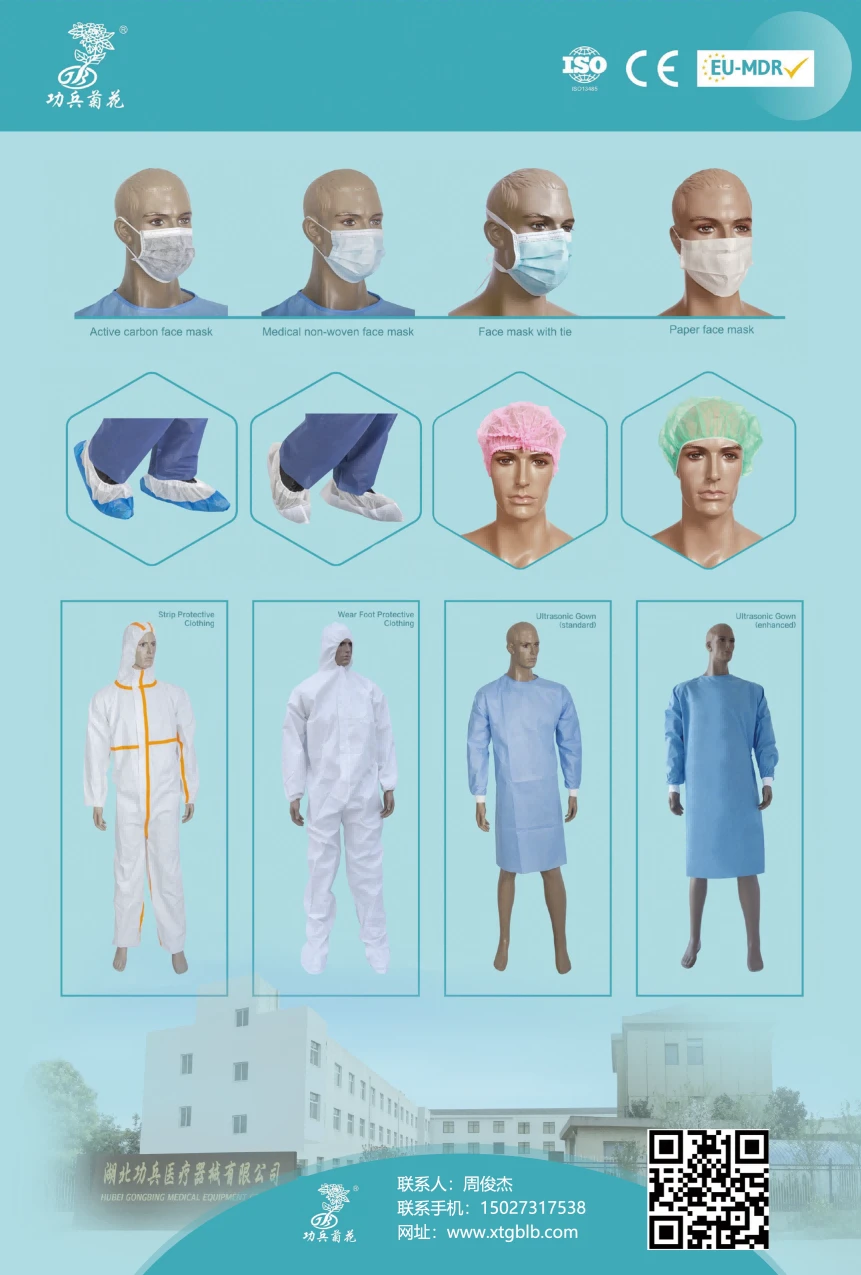
Technology
Research and development of degradable materials: Many companies have launched environmentally friendly non-woven masks. For example, the American company Avocado has launched a degradable mask made of plant fibers (such as corn starch), with a decomposition period shortened to 180 days.
Rise of smart masks: Korean brand LG Mask has developed a non-woven mask with integrated sensors that can monitor breathing rate and air quality and connect to a mobile phone APP via Bluetooth.
Improved filtration efficiency: Japan's Toray Corporation has developed a new meltblown fabric technology that increases PM0.3 filtration efficiency from 95% to 99%, while reducing breathing resistance.
Policy
Implementation of China's new national standard: GB/T 38880-2023 "Technical Specifications for Children's Masks" strengthens the requirements for the breathability and safety of non-woven masks, and clarifies the special standards for children aged 6-14.
FDA certification adjustment: The U.S. Food and Drug Administration (FDA) updated the medical mask standard (ASTM F3502-23), requiring clear labeling of particle filtration efficiency (PFE) and blood penetration resistance.
Export restrictions relaxed: India lifted the mask export ban implemented in 2020, and the export volume of non-woven masks in 2023 increased by 40% year-on-year, mainly sold to the Middle East and Africa.