


Key Developments in the Nonwoven Mask Industry
Market Surge: Global nonwoven mask market projected to reach tens of billions USD by 2025, driven by 20%+ CAGR post-pandemic.
Tech Revolution: Biodegradable materials (PLA, PBAT) and nanofiber enhancements (antiviral, low-resistance) dominate R&D.
Supply Chain Shift: Asia-Pacific controls 60%+ of global production, with China's Xiantao City producing 1 billion masks daily.
Regulatory Pressures: EU "plastic bans" and carbon tariffs force adoption of circular economy models.
Technological Innovations Reshaping face mask Production
Materials Science Breakthroughs
Eco-Friendly Shift: Leading manufacturers like Toray and Kimberly-Clark are scaling bio-based materials (PLA, PBAT) to replace traditional polypropylene. These polymers degrade in months, not centuries-addressing the 4,680–6,240 tons of marine plastic waste from masks in 2020 alone.
Performance Enhancements: Nanofiber integration (e.g., graphene coatings) improves filtration efficiency to N99+ standards while reducing breathing resistance by 15–30%. Xiantao-based innovators have secured 30+ patents in antimicrobial and antiviral nonwovens.
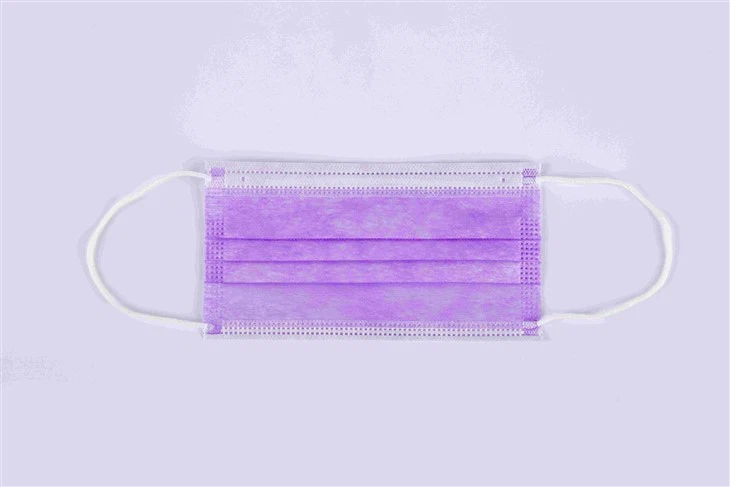
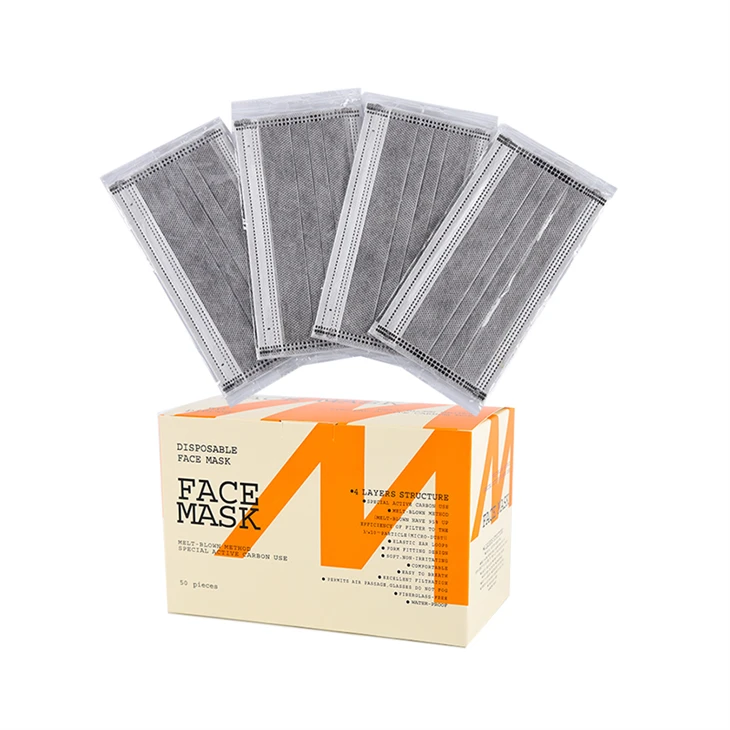
Future Outlook: Strategic Shifts for 2025–2030
Green Material Dominance: Biodegradable nonwovens to capture 35%+ market share by 203018.
Smart Health Integration: Masks with embedded sensors for air quality monitoring and health tracking in R&D at Honeywell and Freudenberg.
Supply Chain Resilience: Dual sourcing (e.g., bio-material partnerships + fossil reserves) to hedge against oil price volatility.
Emerging Markets: Africa and Latin America to drive 15%+ demand growth, reliant on imports due to limited local production.