


Water repellency is a crucial characteristic when it comes to disposable laminated cuffs, which are widely used in various industries. As a supplier of disposable laminated cuffs, I have a deep understanding of this feature and its significance. In this blog, I will explore what water - repellency of disposable laminated cuffs is, why it matters, and how it is achieved.
Understanding Water - Repellency
Water - repellency refers to the ability of a material to resist the penetration of water. For disposable laminated cuffs, this means that when they come into contact with water, they prevent it from seeping through to the skin or the inner layers of clothing. This is different from waterproofing, which implies an absolute barrier to water. Water - repellent disposable laminated cuffs can withstand light to moderate water exposure, such as splashes or brief contact with moisture, but may not hold up under long - term immersion or high - pressure water flow.
The water - repellency of disposable laminated cuffs is measured by several methods. One common way is the spray test, where a standard amount of water is sprayed onto the cuff surface at a specific pressure and angle. The degree of wetting is then evaluated visually or through other quantitative means. Another method is the hydrostatic head test, which measures the maximum height of water column that the cuff can withstand before water starts to penetrate.
Why Water - Repellency Matters
In Healthcare Settings
In healthcare, disposable laminated cuffs are often worn by medical staff during procedures. Water - repellency is essential as it protects the wearer from contact with bodily fluids, which may carry pathogens. For example, during surgeries or when handling patients with infectious diseases, a water - repellent cuff can prevent the transmission of viruses and bacteria through contaminated liquids. It also helps maintain the integrity of the protective barrier provided by the overall personal protective equipment (PPE) ensemble, reducing the risk of cross - contamination.
In Food Processing
In the food industry, workers need to keep their hands and wrists clean and dry to prevent food contamination. Disposable laminated cuffs with good water - repellency can resist splashes of water, cleaning agents, and food liquids. This ensures that the food being processed remains safe for consumption and meets the strict hygiene standards set by regulatory bodies.
In Cleaning and Janitorial Services
Cleaning staff often come into contact with water, cleaning solutions, and other wet substances. Water - repellent disposable laminated cuffs protect their skin from irritation and chemical exposure. They also make the cleaning process more efficient as the cuffs do not become soaked, which could lead to discomfort and reduced dexterity.
How Water - Repellency is Achieved
Material Selection
The choice of materials plays a vital role in achieving water - repellency. Disposable laminated cuffs are typically made by combining different layers of materials. One common combination is a non - woven fabric layer and a film layer. The non - woven fabric provides a soft and comfortable surface for the wearer, while the film layer acts as a water - resistant barrier.
For instance, a polyethylene film is often used due to its excellent water - repellent properties. It forms a continuous, impermeable layer that prevents water from passing through. The non - woven fabric can be treated with water - repellent agents during the manufacturing process to enhance its performance.
Lamination Process
The lamination process is another key factor. During lamination, the different layers of materials are bonded together using heat, pressure, or adhesives. A well - executed lamination ensures that there are no gaps or weak points in the structure, which could allow water to penetrate. The quality of the bond between the layers affects the overall water - repellency of the disposable laminated cuffs.
Our Product Offerings
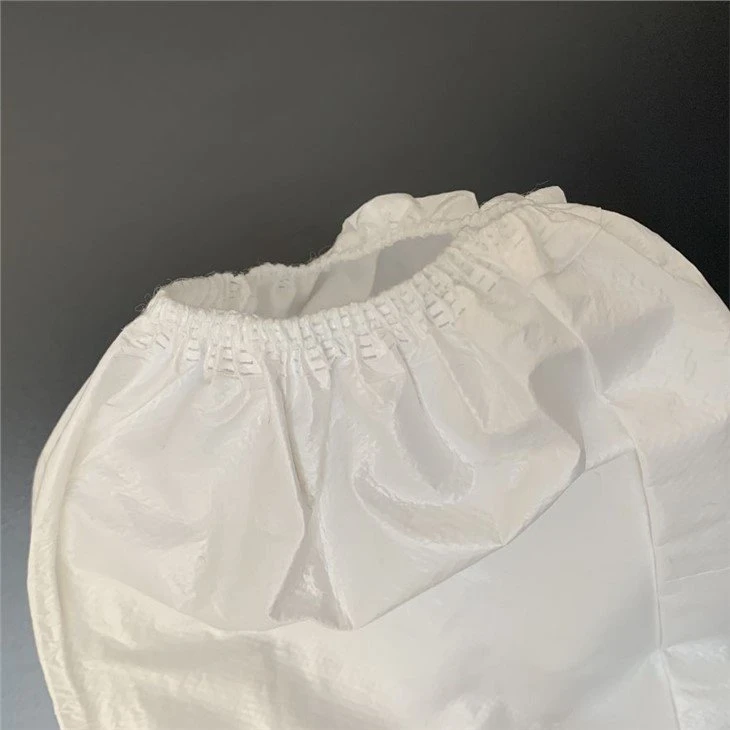
As a supplier, we offer a range of disposable laminated cuffs with varying degrees of water - repellency to meet the diverse needs of different industries. Our Disposable Breathable Film Sleeve is designed for applications where breathability is also important. It combines a water - repellent film with a breathable non - woven fabric, allowing air to circulate and reducing the risk of sweat buildup. This makes it suitable for long - term wear in environments such as healthcare and food processing.
On the other hand, our Disposable Plastic Waterproof Sleeve provides a higher level of water protection. It is ideal for situations where there is a high risk of heavy water exposure, such as in industrial cleaning or certain laboratory procedures.

Quality Assurance
We understand the importance of maintaining high - quality water - repellency in our disposable laminated cuffs. Our products undergo rigorous testing to ensure they meet or exceed industry standards. We conduct regular in - house tests, including spray tests and hydrostatic head tests, to verify the water - repellency of each batch of cuffs. Additionally, we work with independent third - party laboratories for more comprehensive and objective evaluations.
Conclusion
Water - repellency is a fundamental property of disposable laminated cuffs that has a significant impact on their performance and usability in various industries. Whether it is protecting healthcare workers from infectious fluids, ensuring food safety in the food processing industry, or providing comfort and protection for cleaning staff, water - repellent disposable laminated cuffs play a crucial role.
As a supplier, we are committed to providing high - quality products that meet the specific water - repellency requirements of our customers. If you are in need of disposable laminated cuffs for your business, we invite you to contact us to discuss your procurement needs. Our team of experts is ready to assist you in finding the most suitable products for your applications.
References
- ASTM International. Standard test methods for water - repellency of textiles.
- ISO standards related to personal protective equipment and water resistance.
- Industry reports on the use of disposable laminated cuffs in different sectors.