


Disposable protective clothing has become an essential item in various industries, providing a crucial barrier against a wide range of hazards. As a supplier of disposable protective clothing, I often receive inquiries about the lifespan of these products. Understanding the lifespan of disposable protective clothing is vital for ensuring safety, efficiency, and cost - effectiveness in the workplace.
Factors Affecting the Lifespan of Disposable Protective Clothing
Material Quality
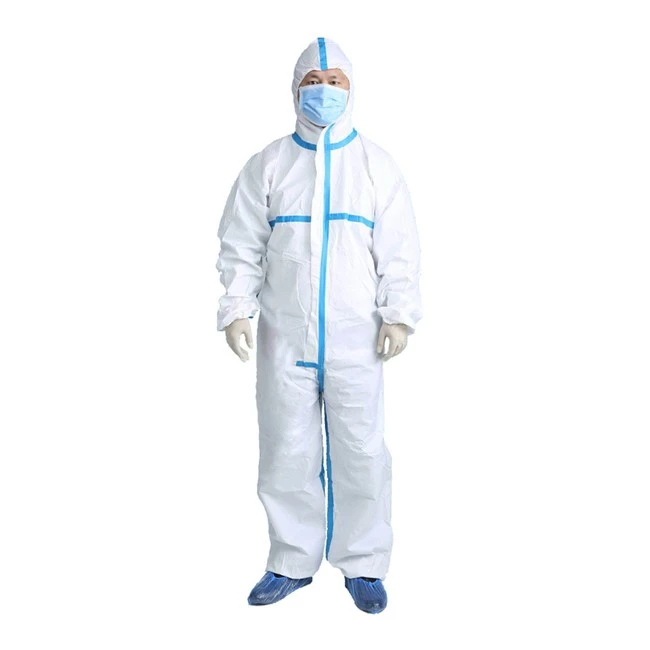
The quality of the material used in disposable protective clothing is a primary determinant of its lifespan. For example, SMS Disposable One - piece Protective Coverall is made of SMS (spunbond - meltblown - spunbond) non - woven fabric. This material offers excellent barrier properties against particles, liquids, and microorganisms. High - quality SMS fabrics are more durable and can withstand more wear and tear compared to lower - quality alternatives.
On the other hand, PP Non - Woven One - piece Protective Clothing is made of polypropylene non - woven fabric. While it is lightweight and cost - effective, its lifespan may be shorter in more demanding environments. The strength and integrity of the non - woven fibers play a significant role in how long the clothing can maintain its protective function.
Type of Hazard
The nature of the hazard the clothing is protecting against also affects its lifespan. In a cleanroom environment where the main concern is dust and particle contamination, Disposable Dustproof Reinforced Safety Coverall may last longer. These coveralls are designed to prevent dust from adhering to the wearer and entering the cleanroom. As long as the fabric remains intact and the closures are secure, the coverall can provide adequate protection for multiple uses within the cleanroom.
However, in a chemical - handling environment, the lifespan of disposable protective clothing is much shorter. Chemicals can penetrate or degrade the fabric, reducing its ability to act as a barrier. Even a small amount of chemical exposure can compromise the integrity of the clothing, making it necessary to replace it immediately.
Frequency of Use
The more frequently the disposable protective clothing is used, the shorter its lifespan will be. Repeated donning and doffing can cause stress on the fabric, seams, and closures. Over time, this can lead to tears, holes, or weakened areas that reduce the clothing's protective capabilities. For example, in a busy manufacturing facility where workers are constantly putting on and taking off their protective coveralls, the clothing may need to be replaced more often than in a less active workplace.
Storage Conditions
Proper storage is essential for maintaining the lifespan of disposable protective clothing. If the clothing is stored in a humid environment, it can become moldy or mildewed, which will significantly reduce its usability. Exposure to sunlight, extreme temperatures, or sharp objects can also damage the fabric. Storing the clothing in a cool, dry place, away from direct sunlight and potential sources of damage, can help extend its lifespan.
Typical Lifespans of Different Types of Disposable Protective Clothing
Single - Use Items
Many disposable protective clothing items are designed for single - use only. This is especially true in high - risk environments such as medical settings, where preventing cross - contamination is of utmost importance. Surgical gowns, face masks, and gloves are typically used for one patient encounter and then discarded. In these cases, the lifespan is limited to a single use to ensure the highest level of safety.
Multiple - Use in Low - Risk Environments
In low - risk environments, some types of disposable protective clothing can be used multiple times. For example, in an office environment where the main hazard is dust or minor spills, a PP Non - Woven One - piece Protective Clothing may be used for several days or even weeks before needing to be replaced. However, it is important to regularly inspect the clothing for signs of damage or wear.
Short - Term Use in Moderate - Risk Environments
In moderate - risk environments such as food processing plants or construction sites, the lifespan of disposable protective clothing is usually a few hours to a few days. The clothing may be exposed to various contaminants, physical stress, and mechanical wear during this time. For instance, a Disposable Dustproof Reinforced Safety Coverall in a construction site may need to be replaced after a day or two of use due to dirt, debris, and minor abrasions.
Determining When to Replace Disposable Protective Clothing
Visual Inspection
Regular visual inspections are the most basic way to determine when to replace disposable protective clothing. Look for signs of damage such as tears, holes, frayed edges, or discoloration. If the fabric appears to be stretched or weakened, it is likely time to replace the clothing.
Performance Testing
In some cases, performance testing may be necessary to determine if the disposable protective clothing is still providing adequate protection. This can involve testing the fabric's resistance to chemicals, particles, or microorganisms. However, this type of testing is usually more complex and is typically carried out in a laboratory setting.
Manufacturer's Recommendations
The manufacturer's recommendations should always be followed when it comes to the lifespan of disposable protective clothing. The manufacturer has conducted extensive testing on the product and can provide guidelines on how long the clothing can be used safely. These recommendations may take into account factors such as the type of material, intended use, and storage conditions.
Extending the Lifespan of Disposable Protective Clothing
Proper Use
Training workers on the proper use of disposable protective clothing can help extend its lifespan. This includes teaching them how to don and doff the clothing correctly to minimize stress on the fabric and closures. Workers should also be instructed on how to handle the clothing gently to avoid unnecessary damage.
Regular Maintenance
Even though disposable protective clothing is not designed for long - term use, some basic maintenance can help extend its lifespan. For example, brushing off loose dirt or debris after each use can prevent the accumulation of contaminants that could degrade the fabric.
Quality Assurance
As a supplier, I am committed to providing high - quality disposable protective clothing. By sourcing materials from reputable manufacturers and conducting strict quality control checks, I ensure that the products I offer have a longer lifespan and provide reliable protection.
Conclusion
In conclusion, the lifespan of disposable protective clothing varies widely depending on factors such as material quality, type of hazard, frequency of use, and storage conditions. Understanding these factors is crucial for ensuring the safety and efficiency of workers in various industries. Whether you need SMS Disposable One - piece Protective Coverall, Disposable Dustproof Reinforced Safety Coverall, or PP Non - Woven One - piece Protective Clothing, I can provide you with high - quality products that meet your specific needs.
If you are interested in purchasing disposable protective clothing or have any questions about the lifespan and usage of these products, please feel free to contact me for further discussion and procurement negotiations.

References
- ASTM International. (20XX). Standards for protective clothing materials.
- Occupational Safety and Health Administration (OSHA). (20XX). Guidelines for the use of disposable protective clothing in the workplace.
- Manufacturer's product manuals for SMS Disposable One - piece Protective Coverall, Disposable Dustproof Reinforced Safety Coverall, and PP Non - Woven One - piece Protective Clothing.