


Hey there! As a supplier of disposable protective clothing, I often get asked a bunch of questions from customers. One question that pops up quite a bit is, "Is disposable protective clothing resistant to mold and mildew?" Today, I'm gonna dig deep into this topic and share some insights with you.
First off, let's understand what mold and mildew are. Mold and mildew are types of fungi. They love warm, damp, and dark places. You've probably seen them on old bread or in the corners of a bathroom that doesn't get enough ventilation. When it comes to disposable protective clothing, these fungi can be a real pain in the neck. If the clothing gets exposed to the right conditions, mold and mildew can start to grow on it. And that's not just gross; it can also affect the performance and safety of the protective gear.
Now, let's talk about the materials used in disposable protective clothing. There are several common types, and each has its own characteristics when it comes to mold and mildew resistance.
Microporous Materials
One popular type of disposable protective clothing is made from microporous materials. Take our SF Disposable Microporous Protective Coverall for example. Microporous materials have tiny pores that allow air and moisture vapor to pass through while blocking liquids and particles. This breathability can actually work in its favor when it comes to mold and mildew. Since the clothing can "breathe," it's less likely to trap moisture, which is one of the main things mold and mildew need to grow.
However, it's not completely immune. If the coverall gets soaked and then is stored in a warm, dark place without proper drying, there's still a chance that mold and mildew could start to develop. But generally speaking, the breathability of microporous materials gives them a bit of an edge in the fight against these fungi.
SMS Materials
SMS stands for Spunbond - Meltblown - Spunbond. Our SMS Disposable One - piece Protective Coverall is made from this type of material. SMS materials are known for their good barrier properties against liquids and particles. They're also relatively lightweight and comfortable to wear.
In terms of mold and mildew resistance, SMS materials are pretty decent. The outer spunbond layers are quite resistant to moisture penetration, which helps keep the inner layers dry. But again, if the coverall is exposed to long - term high humidity or gets wet and isn't dried properly, there's a risk. The meltblown layer in the middle can hold onto moisture if the outer layers are compromised, and that can create a breeding ground for mold and mildew.
PP Non - Woven Materials
Polypropylene (PP) non - woven materials are another common choice for disposable protective clothing, like our PP Non - Woven One - piece Protective Clothing. PP non - woven fabrics are lightweight, strong, and have good chemical resistance.
When it comes to mold and mildew, PP non - woven materials have some advantages. Polypropylene is a synthetic material that doesn't absorb water easily. This means that it's less likely to provide the moisture that mold and mildew need to grow. However, if there are contaminants on the surface of the clothing that can hold moisture, or if the clothing is stored in a very humid environment for a long time, mold and mildew can still be a problem.
So, how can you make sure your disposable protective clothing stays mold and mildew - free? Here are some tips:
- Proper Storage: Store the clothing in a cool, dry place. Avoid areas with high humidity, like basements or near leaky pipes. If possible, keep the clothing in sealed containers or bags to prevent moisture from getting in.
- Drying: If the clothing gets wet, make sure to dry it thoroughly as soon as possible. Hang it up in a well - ventilated area or use a fan to speed up the drying process.
- Inspection: Regularly check the clothing for any signs of mold or mildew, such as discoloration, a musty smell, or fuzzy growth. If you notice any of these signs, discard the clothing immediately.
As a supplier, we take mold and mildew resistance seriously. We test our products to make sure they meet high standards. But it's also important for you, the customer, to take proper care of the clothing to ensure its longevity and effectiveness.
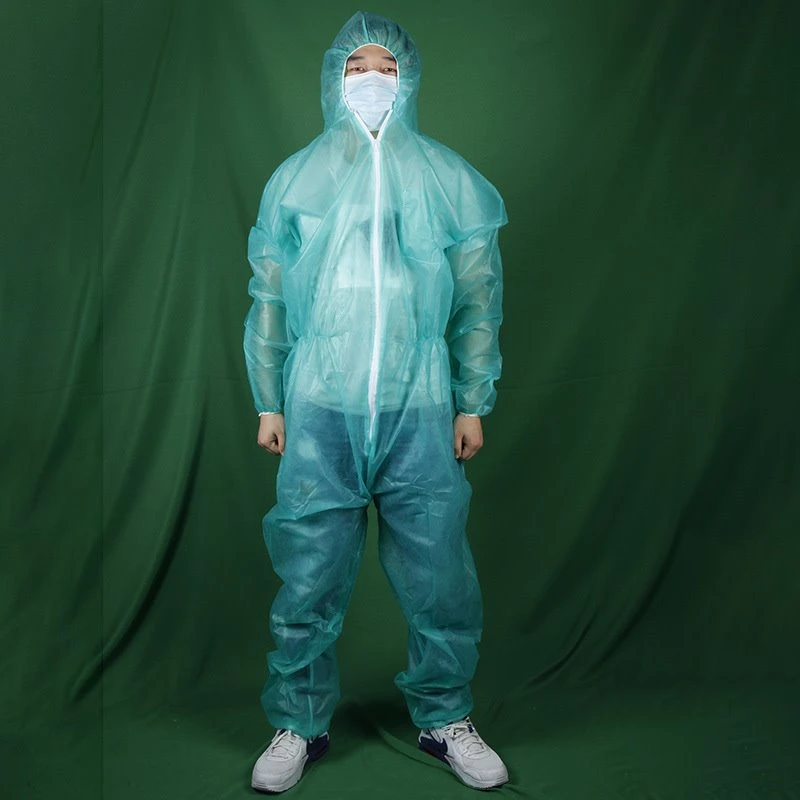
If you're in the market for high - quality disposable protective clothing, whether it's for industrial work, medical use, or other applications, we've got you covered. Our range of products, including the SF Disposable Microporous Protective Coverall, SMS Disposable One - piece Protective Coverall, and PP Non - Woven One - piece Protective Clothing, are designed to provide reliable protection.
If you have any questions about our products, or if you're interested in placing an order, don't hesitate to reach out. We're here to help you find the right disposable protective clothing for your needs. Contact us today to start the procurement process and let's work together to keep you safe.

References
- "Textile Microbiology" by various authors, which provides in - depth knowledge about the interaction between textiles and microorganisms like mold and mildew.
- Industry reports on the performance and durability of different types of disposable protective clothing materials.