


As a supplier of Disposable 3ply Civil Adult Masks, I understand the importance of proper storage to maintain the quality and effectiveness of these essential products. In this blog post, I'll share some scientific and practical tips on how to store Disposable 3ply Civil Adult Masks.
1. Ideal Storage Conditions
Temperature and Humidity
Masks should be stored in a cool, dry place. The ideal temperature range is between 10°C and 30°C (50°F - 86°F). High temperatures can cause the materials in the mask to degrade, affecting its filtration efficiency. For example, if masks are stored in a hot attic where temperatures can soar above 40°C (104°F) during summer, the elastic bands may lose their elasticity, and the non - woven fabric may become brittle.
Humidity is also a crucial factor. The relative humidity should be kept between 30% and 60%. Excessive humidity can lead to the growth of mold and bacteria on the masks. If masks are stored in a damp basement with high humidity, it provides a perfect breeding ground for microorganisms, which can contaminate the masks and make them unfit for use.
Light Exposure
Masks should be protected from direct sunlight and strong artificial light. Ultraviolet (UV) rays in sunlight can break down the chemical bonds in the mask materials, reducing their strength and filtration ability. It's best to store masks in opaque containers or in a dark storage area. For instance, if masks are left on a sunny windowsill, the UV rays can gradually damage the mask's structure over time.
2. Storage Containers
Sealed Plastic Bags
One of the simplest and most effective ways to store masks is in sealed plastic bags. These bags can prevent dust, dirt, and moisture from reaching the masks. You can use zip - lock bags of appropriate sizes to store individual masks or a group of masks. Make sure to squeeze out as much air as possible before sealing the bag to reduce the risk of oxidation and moisture buildup.
Plastic Boxes
Plastic boxes with tight - fitting lids are also a good option. They provide more protection than plastic bags and can be stacked easily. You can label the boxes to indicate the type and quantity of masks inside. For example, you can have separate boxes for Disposable Black 3ply Mask, Disposable Non Woven Best Face Mask, and Disposable Non - woven Printed Christmas Masks. This makes it easier to locate the masks when needed.
3. Avoiding Contamination
Clean Hands
Before handling masks for storage, always wash your hands thoroughly with soap and water for at least 20 seconds. If soap and water are not available, use an alcohol - based hand sanitizer. This helps prevent transferring dirt, bacteria, and viruses from your hands to the masks.
Separate from Contaminated Items
Masks should be stored separately from any contaminated items. For example, don't store masks near used tissues, dirty clothes, or cleaning chemicals. These items can contaminate the masks and make them unsafe for use.
4. Storage in Bulk
Palletizing
If you are storing a large quantity of masks, palletizing is a practical method. Stack the boxes of masks on pallets in an organized manner. Make sure the pallets are clean and dry. Leave some space between the pallets to allow for air circulation. This helps maintain a consistent temperature and humidity around the masks.
Warehouse Considerations
In a warehouse setting, proper ventilation is essential. Install ventilation systems to ensure fresh air circulation. Also, monitor the temperature and humidity levels regularly using sensors. If the conditions deviate from the ideal range, take appropriate measures such as using dehumidifiers or air - conditioning units.
5. First - In, First - Out (FIFO) Principle
When storing masks, it's important to follow the FIFO principle. This means using the oldest masks first. Label the boxes with the date of receipt and arrange them in a way that the oldest boxes are easily accessible. This ensures that masks do not expire in storage and are used within their recommended shelf - life.
6. Monitoring and Inspection
Regular Checks
Periodically check the stored masks for any signs of damage, contamination, or degradation. Look for mold growth, discoloration, or a change in the texture of the mask materials. If you find any defective masks, remove them from the storage immediately to prevent them from affecting other masks.
Shelf - Life
Masks usually have a shelf - life of 2 - 3 years. Keep track of the expiration dates of the masks and plan to use or dispose of them before they expire. This ensures that the masks you provide to your customers are of high quality and effective.
Conclusion
Proper storage of Disposable 3ply Civil Adult Masks is crucial to maintain their quality and effectiveness. By following the tips mentioned above, you can ensure that the masks remain in good condition until they are ready to be used. Whether you are a small - scale retailer or a large - scale distributor, these storage methods will help you provide high - quality masks to your customers.
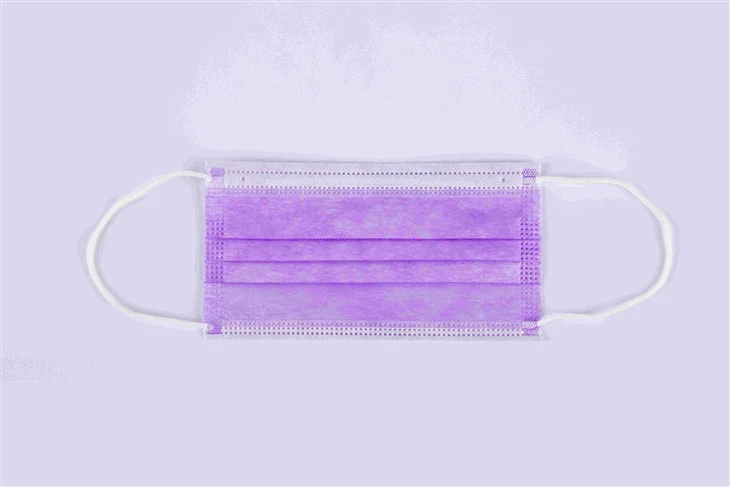

If you are interested in purchasing our Disposable 3ply Civil Adult Masks, we welcome you to contact us for procurement discussions. We offer a wide range of mask products to meet your specific needs.
References
- Centers for Disease Control and Prevention (CDC). Guidelines on Personal Protective Equipment Storage.
- World Health Organization (WHO). Best Practices for Medical Supply Storage.
- Manufacturer's instructions for Disposable 3ply Civil Adult Masks.