


As a supplier of disposable plastic shoe covers, I often encounter customers who are unsure about how to determine the quality of these products. In this blog post, I will share some key factors that can help you assess whether the disposable plastic shoe covers you're considering are of good quality.

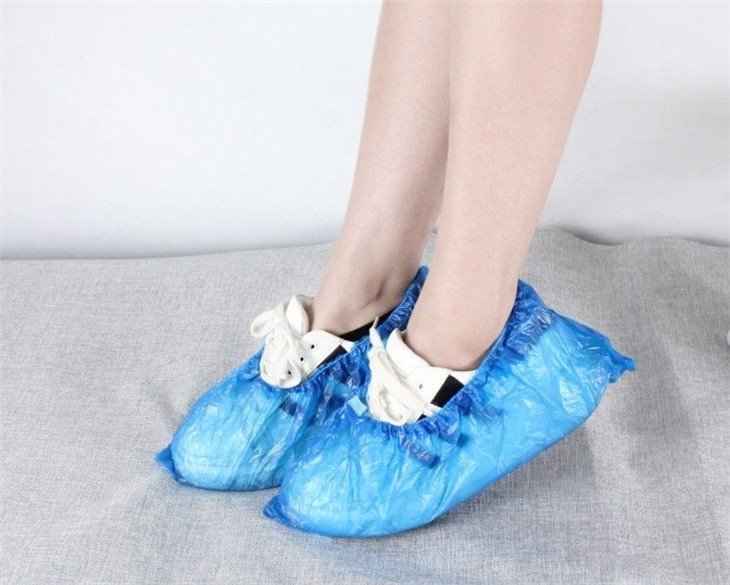
Material Quality
The first and most crucial aspect to consider is the material used in the shoe covers. High - quality disposable plastic shoe covers are typically made from materials like CPE (Chlorinated Polyethylene) or PE (Polyethylene).
CPE is a popular choice due to its excellent properties. It offers good strength, flexibility, and resistance to moisture. CPE shoe covers can withstand a certain amount of friction and stretching without tearing easily. For example, our 1.5 - 4g CPE Shoe Covers are made from top - grade CPE material. This ensures that they can be used in various environments, such as medical facilities, clean rooms, and construction sites, where durability is essential.
PE is another common material. It is known for its environmental - friendliness and cost - effectiveness. Disposable PE plastic shoe covers are lightweight and can be used for short - term protection. Our Disposable PE Plastic Shoe Cover is made from high - density PE, which provides a reliable barrier against dirt and debris.
Thickness and Weight
The thickness and weight of the shoe covers are also important indicators of quality. Generally, thicker and heavier shoe covers tend to be more durable. A thicker material can better resist punctures and tears. For instance, if you're using the shoe covers in a rough or industrial environment, a heavier shoe cover will be more suitable.
However, it's important to strike a balance. If the shoe covers are too thick and heavy, they may be uncomfortable to wear, and it could also increase the cost. Our product range offers a variety of thicknesses and weights to meet different customer needs. You can choose according to the specific application and the level of protection required.
Fit and Design
A good - quality disposable plastic shoe cover should have a proper fit. It should be able to snugly fit around the shoe without being too loose or too tight. A loose shoe cover may fall off easily, reducing its effectiveness, while a tight one can cause discomfort and restrict movement.
Many high - quality shoe covers come with elastic bands at the opening. This helps to keep the shoe cover in place and provides a better seal. Some shoe covers also have a non - slip design on the sole. Our Disposable Plastic Composite CPE Non - slip Shoe Cover is designed with a special non - slip pattern on the bottom. This is especially useful in wet or slippery environments, such as kitchens or laboratories, where safety is a top priority.
Resistance to Chemicals and Liquids
Depending on the application, the shoe covers may need to resist certain chemicals or liquids. For example, in a medical setting, they need to be resistant to blood and other bodily fluids. In an industrial environment, they may need to withstand exposure to oils, solvents, or cleaning agents.
High - quality shoe covers are often treated or made from materials that have good chemical resistance. Before purchasing, it's important to check the product specifications to ensure that the shoe covers can meet the specific requirements of your environment.
Testing and Certification
Reputable suppliers usually conduct various tests on their disposable plastic shoe covers to ensure quality. These tests may include tensile strength tests, puncture resistance tests, and liquid penetration tests.
In addition, some shoe covers may have relevant certifications, such as ISO standards. Certifications are a sign that the product has met certain quality and safety requirements. When choosing a supplier, it's advisable to ask about the testing procedures and certifications of their products.
Packaging and Storage
The way the shoe covers are packaged can also affect their quality. Good - quality shoe covers are usually packaged in a way that protects them from damage during transportation and storage. They should be sealed properly to prevent contamination.
Proper storage is also important. Shoe covers should be stored in a cool, dry place away from direct sunlight and heat sources. This helps to maintain their quality and performance over time.
Cost - effectiveness
While quality is important, cost - effectiveness is also a consideration for many customers. A high - quality product doesn't necessarily mean it has to be expensive. As a supplier, we strive to offer products that provide a good balance between quality and price.
When comparing different products, it's important to consider the long - term value. A slightly more expensive but higher - quality shoe cover may last longer and provide better protection, which can save you money in the long run.
Customer Reviews and Feedback
One of the best ways to assess the quality of disposable plastic shoe covers is to look at customer reviews and feedback. Real - world experiences from other customers can give you valuable insights into the performance, durability, and comfort of the product.
You can check online reviews on e - commerce platforms or ask the supplier for references. Positive reviews and high customer satisfaction rates are a good indication that the product is of good quality.
In conclusion, determining the quality of disposable plastic shoe covers involves considering multiple factors, including material quality, thickness, fit, resistance to chemicals, testing and certification, packaging, cost - effectiveness, and customer feedback. As a supplier, we are committed to providing high - quality products that meet the diverse needs of our customers.
If you're interested in purchasing disposable plastic shoe covers, we invite you to contact us for more information and to discuss your specific requirements. We look forward to the opportunity to work with you and provide you with the best solutions for your shoe - covering needs.
References
- ASTM International. (20XX). Standard test methods for plastic films and sheeting.
- ISO. (20XX). International standards for personal protective equipment.