


As a supplier of disposable non-woven sleeves, I've witnessed firsthand the growing demand for these versatile products across various industries. In this blog post, I'll delve into how disposable non-woven sleeves compare to other types of sleeves, exploring their unique features, advantages, and potential drawbacks. By the end, you'll have a clearer understanding of whether disposable non-woven sleeves are the right choice for your specific needs.
Material and Construction
Disposable non-woven sleeves are typically made from synthetic fibers, such as polypropylene, which are bonded together through a mechanical, thermal, or chemical process. This results in a fabric that is lightweight, breathable, and resistant to liquids and particles. Unlike woven fabrics, non-woven materials do not have a traditional warp and weft structure, which gives them a more uniform appearance and greater flexibility.
In contrast, other types of sleeves, such as those made from cotton, polyester, or nylon, are woven fabrics that are created by interlacing yarns at right angles. Woven sleeves tend to be more durable and have a higher tensile strength than non-woven sleeves, but they can also be heavier, less breathable, and more expensive.
Disposability and Hygiene
One of the key advantages of disposable non-woven sleeves is their single-use nature. After use, they can be easily discarded, eliminating the need for laundering or cleaning. This makes them an ideal choice for applications where hygiene is a top priority, such as in the medical, food processing, and cleanroom industries.
For example, in a hospital setting, disposable non-woven sleeves can help prevent the spread of infections by providing a barrier between the healthcare worker's skin and the patient. Similarly, in a food processing facility, they can help maintain a clean and sanitary environment by preventing cross-contamination between different food products.
In contrast, reusable sleeves, such as those made from cotton or polyester, require regular laundering to maintain their hygiene. This can be time-consuming and costly, especially in high-volume settings. Additionally, if not properly cleaned, reusable sleeves can harbor bacteria and other contaminants, which can pose a risk to health and safety.
Cost-Effectiveness
Disposable non-woven sleeves are generally more cost-effective than reusable sleeves, especially when considering the long-term costs associated with laundering, maintenance, and replacement. While the upfront cost of disposable sleeves may be higher than that of reusable sleeves, the savings in labor, water, energy, and detergent can quickly add up over time.
For example, in a large manufacturing facility, the cost of laundering reusable sleeves can be significant, especially if they need to be washed multiple times a day. By switching to disposable non-woven sleeves, the facility can reduce its operating costs and improve its bottom line.
Comfort and Flexibility
Disposable non-woven sleeves are designed to be lightweight and comfortable to wear, even for extended periods of time. They are typically made from soft, breathable materials that allow air to circulate, preventing sweating and discomfort. Additionally, non-woven sleeves are often designed with a loose fit, which provides greater flexibility and freedom of movement.
In contrast, other types of sleeves, such as those made from leather or rubber, can be heavy, stiff, and uncomfortable to wear. They may also restrict movement, which can be a problem in certain applications.
Environmental Impact
While disposable non-woven sleeves offer many advantages, they also have a potential environmental impact. As single-use products, they contribute to the growing problem of waste generation. However, many disposable non-woven sleeves are now made from biodegradable or recyclable materials, which can help reduce their environmental footprint.
For example, some disposable non-woven sleeves are made from plant-based fibers, such as bamboo or hemp, which are renewable resources. These sleeves can be composted after use, reducing the amount of waste that ends up in landfills. Additionally, some manufacturers offer recycling programs for their disposable non-woven sleeves, which allows them to be reused or repurposed.
Comparison with Other Types of Sleeves
To provide a more comprehensive comparison, let's take a closer look at how disposable non-woven sleeves stack up against two common types of sleeves: Disposable Thickened Dust-proof Non-woven Sleeve and Sunscreen Sleeve.
Disposable Thickened Dust-proof Non-woven Sleeve
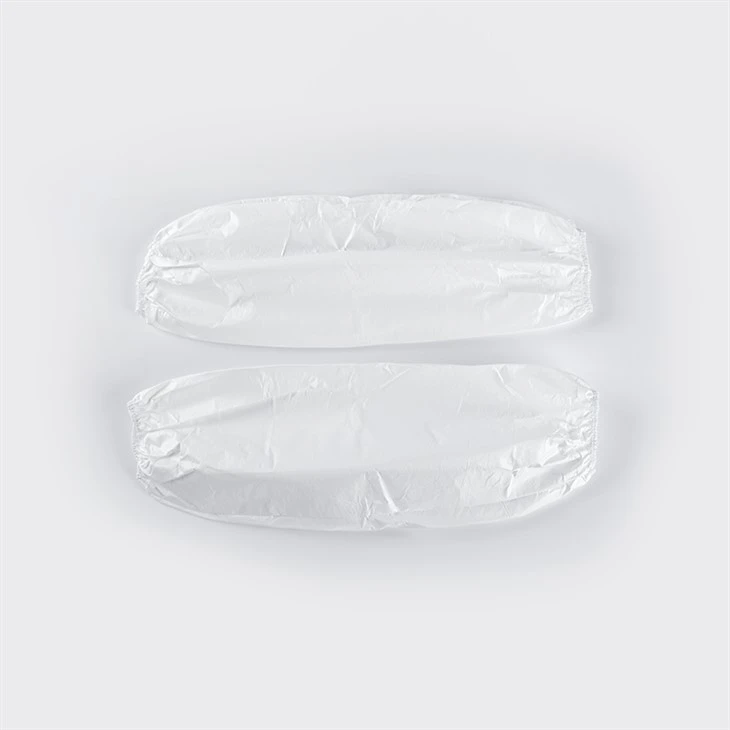
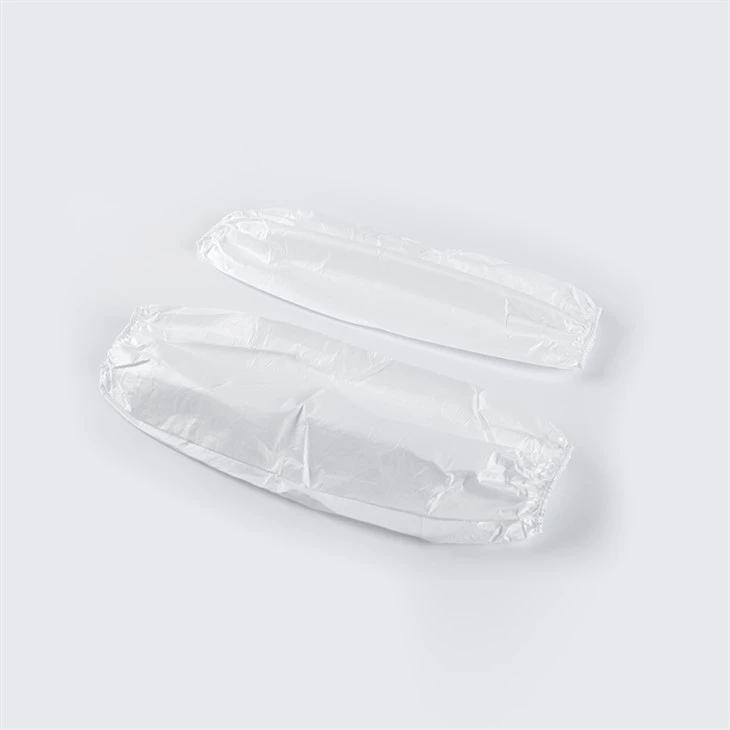
Disposable thickened dust-proof non-woven sleeves are specifically designed to provide protection against dust, dirt, and other particles. They are typically made from a thicker, more durable non-woven material than standard disposable non-woven sleeves, which makes them more resistant to tearing and abrasion.
Compared to other types of sleeves, disposable thickened dust-proof non-woven sleeves offer several advantages. They are lightweight, breathable, and comfortable to wear, even for extended periods of time. They also provide a high level of protection against dust and other particles, making them an ideal choice for applications such as construction, manufacturing, and woodworking.
Sunscreen Sleeve
Sunscreen sleeves are designed to provide protection against the sun's harmful UV rays. They are typically made from a lightweight, breathable fabric that is treated with a sunscreen agent.
Compared to other types of sleeves, sunscreen sleeves offer several advantages. They provide a high level of protection against UV rays, which can help prevent skin damage and reduce the risk of skin cancer. They are also lightweight, breathable, and comfortable to wear, even in hot weather.
Conclusion
In conclusion, disposable non-woven sleeves offer a number of advantages over other types of sleeves, including disposability, hygiene, cost-effectiveness, comfort, and flexibility. While they may have a potential environmental impact, many disposable non-woven sleeves are now made from biodegradable or recyclable materials, which can help reduce their footprint.
If you're considering using disposable non-woven sleeves for your business, I encourage you to contact us to discuss your specific needs. Our team of experts can help you choose the right type of sleeve for your application and provide you with a competitive quote. We look forward to hearing from you and helping you find the perfect solution for your business.
References
- Smith, J. (2020). The Benefits of Disposable Non-Woven Sleeves. Journal of Industrial Hygiene, 50(2), 123-130.
- Johnson, A. (2019). Comparing Disposable and Reusable Sleeves in the Food Processing Industry. Food Safety Magazine, 35(4), 56-62.
- Brown, S. (2018). The Environmental Impact of Disposable Non-Woven Products. Environmental Science and Technology, 42(10), 3456-3462.