


Hey there! As a supplier of disposable protective clothing, I often get asked whether our products can really protect against biological agents. It's a crucial question, especially in times when we're constantly facing various health threats. So, let's dive right in and explore this topic.
First off, let's understand what biological agents are. These are living organisms or the toxins they produce that can cause diseases in humans, animals, or plants. Examples include bacteria like E. coli and Salmonella, viruses such as influenza and COVID - 19, and fungi. When dealing with these agents, proper protection is essential to prevent infections and the spread of diseases.
Disposable protective clothing is designed to act as a barrier between the wearer and the outside environment. Our company offers a variety of such clothing, including PP Non-Woven One-piece Protective Clothing, Split Type Waterproof Protective Clothing, and Disposable Dustproof Reinforced Safety Coverall. Each type has its own features and advantages when it comes to protection.
PP non - woven one - piece protective clothing is made from polypropylene non - woven fabric. This fabric has some great properties. It's lightweight, breathable, and relatively inexpensive. The non - woven structure creates a physical barrier that can block many biological agents. Small particles, like bacteria and some viruses, have a hard time passing through the tightly packed fibers of the non - woven material. However, it's important to note that the effectiveness can vary depending on the quality of the fabric and how well the clothing is designed. A well - made one - piece coverall will have minimal openings, reducing the chances of agents sneaking in through gaps.
The split - type waterproof protective clothing, on the other hand, adds an extra layer of protection. The waterproof feature is crucial because many biological agents can be carried in liquids. For example, when dealing with body fluids that may be contaminated with viruses or bacteria, the waterproof material can prevent the liquid from seeping through to the wearer's skin. It's often used in medical settings, laboratories, or any environment where there's a risk of contact with wet contaminants.
The disposable dustproof reinforced safety coverall is designed with reinforcement in high - stress areas. This is important because in some workplaces, like construction sites or industrial facilities, the clothing may be subject to abrasion. If the fabric gets torn or damaged, it can compromise the protection against biological agents. The reinforced design helps to maintain the integrity of the barrier for a longer period.
Now, let's talk about how effective these clothes really are. In ideal conditions, when worn correctly and maintained properly, disposable protective clothing can provide a high level of protection. However, there are several factors that can affect their performance.
One of the key factors is the fit. If the clothing is too loose, there will be gaps around the wrists, ankles, and neck, allowing biological agents to enter. On the other hand, if it's too tight, it can restrict movement and cause discomfort, which may lead the wearer to adjust the clothing more frequently, increasing the risk of exposure. So, getting the right size is crucial.
Another factor is the duration of use. Disposable protective clothing is, well, disposable for a reason. Over time, the fabric can degrade, especially if it's exposed to harsh chemicals, sunlight, or moisture. Once the fabric starts to break down, its ability to block biological agents is reduced. That's why it's important to follow the recommended usage time and replace the clothing when necessary.
Proper donning and doffing procedures also play a huge role. Putting on and taking off the clothing incorrectly can contaminate the wearer. For example, if you touch the outside of the contaminated clothing while removing it, you can transfer the biological agents to your skin or other parts of your body. Training on these procedures is essential for anyone who uses disposable protective clothing.
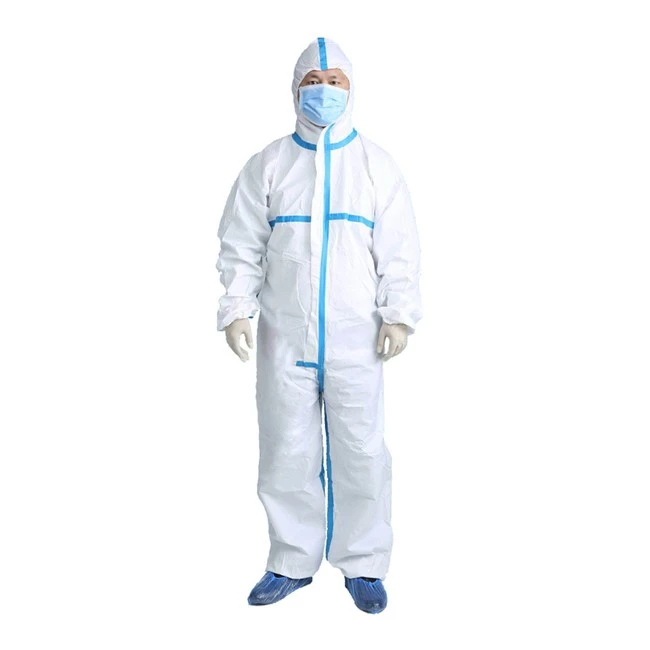
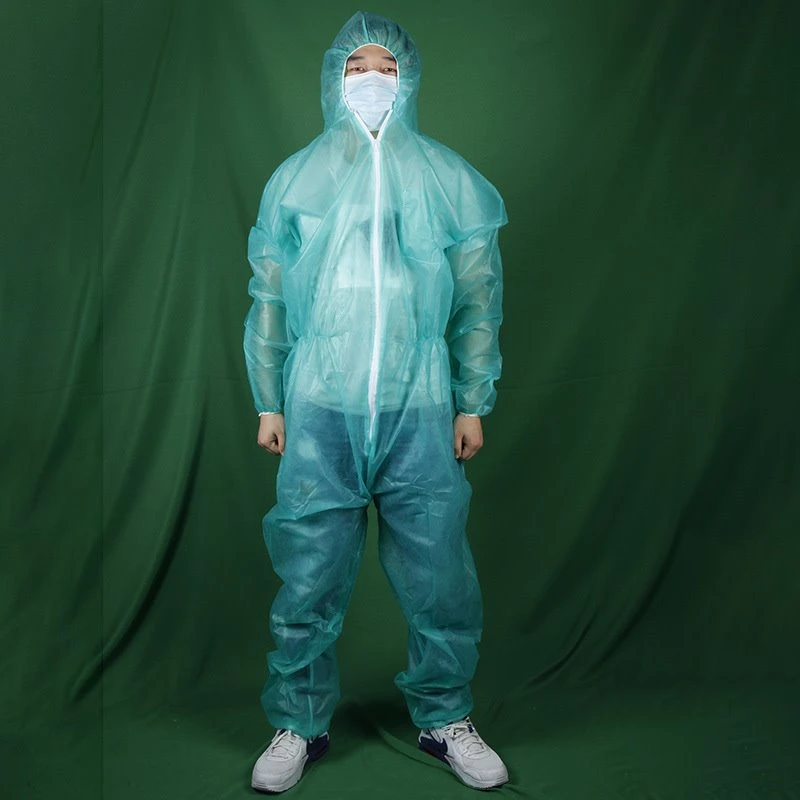
Let's look at some real - world scenarios. In a medical laboratory, researchers handling samples of dangerous viruses need to be fully protected. Our PP non - woven one - piece protective clothing can be a great choice. It allows for free movement while providing a reliable barrier against the viruses. The split - type waterproof protective clothing is also useful in case there's a spill of a liquid sample.
In a farm environment, where workers may be exposed to bacteria and fungi in animal waste or soil, the disposable dustproof reinforced safety coverall can prevent contamination. The reinforced parts can withstand the rough handling and potential abrasions that come with farm work.
In conclusion, disposable protective clothing can offer significant protection against biological agents, but it's not a magic shield. It needs to be used correctly, in the right conditions, and replaced when needed. Our company is committed to providing high - quality disposable protective clothing that meets the highest standards of safety.
If you're in the market for disposable protective clothing, whether it's for a medical facility, an industrial workplace, or any other environment where protection against biological agents is needed, we'd love to have a chat with you. Contact us to discuss your specific requirements and we can help you find the best solution for your protection needs.
References
- Textbook of Occupational and Environmental Medicine
- Guidelines for Infection Prevention in Healthcare Settings
- Research papers on the effectiveness of disposable protective clothing against biological agents