


As a supplier of shoe covers, I've often been asked whether shoe covers affect walking comfort. It's a question that delves into the intersection of functionality and user experience, and one that I'm eager to explore in detail.
The Basics of Walking Comfort
Before we can assess the impact of shoe covers on walking comfort, it's essential to understand what contributes to a comfortable walking experience. Walking is a complex biomechanical activity that involves a series of coordinated movements. The foot strikes the ground, rolls forward, and then pushes off, transferring weight from the heel to the ball of the foot. A comfortable walk depends on factors such as the fit of the footwear, the cushioning provided, and the flexibility of the sole.
The fit of shoes is crucial. Shoes that are too tight can cause pressure points, leading to blisters, corns, and pain. On the other hand, shoes that are too loose can result in instability and may cause the foot to slide around inside the shoe, also leading to discomfort. Cushioning in the sole helps absorb the shock of each step, reducing the impact on the joints. Flexibility allows the shoe to bend naturally with the foot's movement, mimicking the foot's natural gait cycle.
How Shoe Covers Can Impact Walking Comfort
Material and Thickness
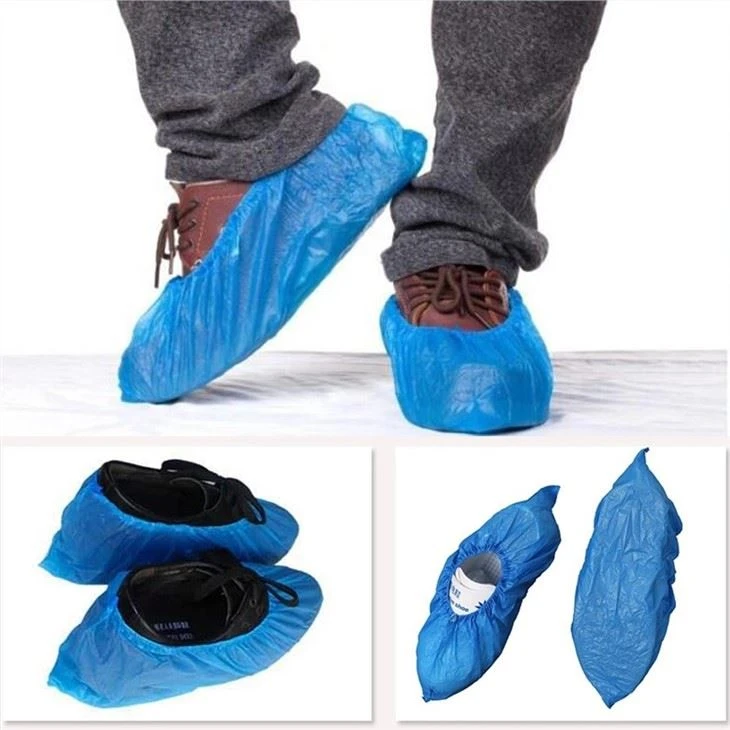
Shoe covers come in a variety of materials, each with its own characteristics that can affect comfort. For instance, plastic shoe covers are often lightweight and waterproof, which makes them suitable for protecting shoes in wet or dirty environments. However, they can also be slippery on certain surfaces, which may pose a safety risk and affect walking stability. The thickness of the plastic can vary, and thicker plastic may restrict the natural movement of the foot, making it feel less flexible and more cumbersome.
On the other hand, fabric shoe covers are generally more breathable and flexible. They conform better to the shape of the foot, allowing for a more natural gait. However, fabric shoe covers may not provide the same level of protection against liquids and dirt as plastic ones. Some fabric shoe covers are also treated with water - repellent coatings, which can add to their functionality but may also slightly affect their softness and flexibility.
Size and Fit
Just like regular shoes, the size and fit of shoe covers are critical for comfort. Ill - fitting shoe covers can be a major source of discomfort. If a shoe cover is too small, it will be tight around the foot, constricting blood flow and causing pressure points. This can lead to numbness, tingling, and pain, especially during extended periods of walking.
Conversely, a shoe cover that is too large may slip off or bunch up around the foot. This not only looks unprofessional but can also cause tripping hazards and make it difficult to walk smoothly. It's important to choose shoe covers that are designed to fit a range of shoe sizes accurately. Some shoe covers come with adjustable straps or elastic bands to ensure a secure and comfortable fit.
Design and Functionality
The design of shoe covers can also influence walking comfort. Some shoe covers are designed with a simple slip - on style, which is quick and easy to put on and take off. These are great for short - term use or when you need to protect your shoes in a hurry. However, they may not provide as much stability as shoe covers with a more complex design.
Other shoe covers have features such as reinforced soles or anti - skid patterns. Reinforced soles can provide additional protection and durability, but they may also add weight and stiffness to the shoe cover. Anti - skid patterns are essential for safety, especially in wet or slippery environments, but they need to be designed in a way that doesn't interfere with the natural movement of the foot.
Scientific Studies on Shoe Covers and Walking Comfort
Although there is limited extensive research specifically on the impact of shoe covers on walking comfort, studies on footwear in general can provide some insights. For example, research on the biomechanics of walking has shown that the flexibility of the sole plays a significant role in the efficiency and comfort of walking. A study published in the Journal of Biomechanics found that shoes with a more flexible sole allowed for a more natural foot movement and reduced the energy expenditure during walking.
When it comes to shoe covers, we can infer that those with a more flexible design are likely to be more comfortable. However, more research is needed to specifically measure the effects of different shoe cover materials, sizes, and designs on walking comfort.
Practical Considerations for Different Environments
The impact of shoe covers on walking comfort can also vary depending on the environment in which they are used. In a clean, dry indoor environment, such as an office or a laboratory, the main concern may be the fit and breathability of the shoe cover. Fabric shoe covers may be a better choice in these situations as they are more comfortable for long - term wear and allow the feet to breathe.
In a wet or dirty outdoor environment, such as a construction site or a garden, the focus may shift to protection and safety. Plastic shoe covers, like the Disposable Shoe Covers Plastic Material, are often preferred in these situations because they can keep the shoes dry and clean. However, it's important to ensure that they are not too slippery and that they do not overly restrict the movement of the foot.
Conclusion
In conclusion, shoe covers can affect walking comfort, but the extent of the impact depends on several factors, including the material, size, fit, design, and the environment in which they are used. As a shoe cover supplier, my goal is to provide products that balance functionality and comfort. We offer a wide range of shoe covers made from different materials and with various designs to meet the diverse needs of our customers.
If you're in the market for shoe covers and want to ensure that you get a product that doesn't compromise on walking comfort, I encourage you to reach out to us. We can provide you with detailed information about our products, help you choose the right shoe covers for your specific needs, and even offer samples for you to test. Whether you're a business looking for shoe covers for your employees or an individual in need of protection for your shoes, we're here to assist you. Contact us today to start a discussion about your shoe cover requirements and let's find the perfect solution together.
References
- Journal of Biomechanics, various issues related to footwear biomechanics research.