


When it comes to disposable plastic shoe covers, one question that often arises is whether they have a color - fast design. As a supplier of disposable plastic shoe covers, I've delved deep into this topic to understand the nuances and provide accurate information to our customers.
Understanding Color - Fastness in Disposable Plastic Shoe Covers
Color - fastness refers to the ability of a material to retain its color when exposed to various factors such as light, washing, friction, and chemical agents. In the context of disposable plastic shoe covers, color - fastness is crucial for several reasons. Firstly, it ensures that the shoe covers maintain their aesthetic appeal throughout their use. Customers often associate a well - colored product with quality. Secondly, for industries where color - coding is used for identification purposes, such as in laboratories or cleanrooms, color - fast shoe covers are essential to avoid any confusion.
Factors Affecting Color - Fastness in Plastic Shoe Covers
1. Material Composition
The type of plastic used in the shoe covers plays a significant role in color - fastness. For example, our 1.5 - 4g CPE Shoe Covers are made from CPE (Chlorinated Polyethylene). CPE is known for its relatively good resistance to color fading compared to some other plastics. The molecular structure of CPE provides a certain level of stability to the colorants used in the manufacturing process.
On the other hand, Disposable PE Plastic Shoe Cover made from polyethylene (PE) may have different color - fastness properties. PE is a widely used plastic, but its susceptibility to environmental factors can impact color retention. If the PE is of lower quality or not properly formulated with color - stabilizing additives, it may fade more quickly when exposed to sunlight or certain chemicals.
2. Manufacturing Process
The way the shoe covers are manufactured also affects color - fastness. During the extrusion or molding process, the temperature, pressure, and mixing of colorants with the plastic resin need to be carefully controlled. If the colorants are not evenly dispersed in the plastic matrix, it can lead to uneven color distribution and reduced color - fastness.
In our production facilities, we use advanced manufacturing techniques to ensure that the colorants are thoroughly mixed with the plastic. This results in a more uniform color throughout the shoe cover, enhancing its color - fastness. Additionally, we use high - quality colorants that are specifically designed for use in plastics and have been tested for their stability under different conditions.
3. Environmental Exposure
The environment in which the shoe covers are used can have a major impact on color - fastness. Exposure to sunlight, especially UV rays, is one of the most common causes of color fading in plastics. In outdoor settings or areas with high levels of sunlight, the color of the shoe covers can change over time. Chemical exposure is another factor. For instance, in industrial settings where the shoe covers may come into contact with cleaning agents, solvents, or other chemicals, the color may be affected.
Our Disposable Non - slip PP + CPE Coated Non - woven Fabric shoe covers are designed to have better resistance to environmental factors. The combination of PP (Polypropylene) and CPE provides an extra layer of protection against UV rays and some chemicals, helping to maintain the color of the shoe covers for a longer period.
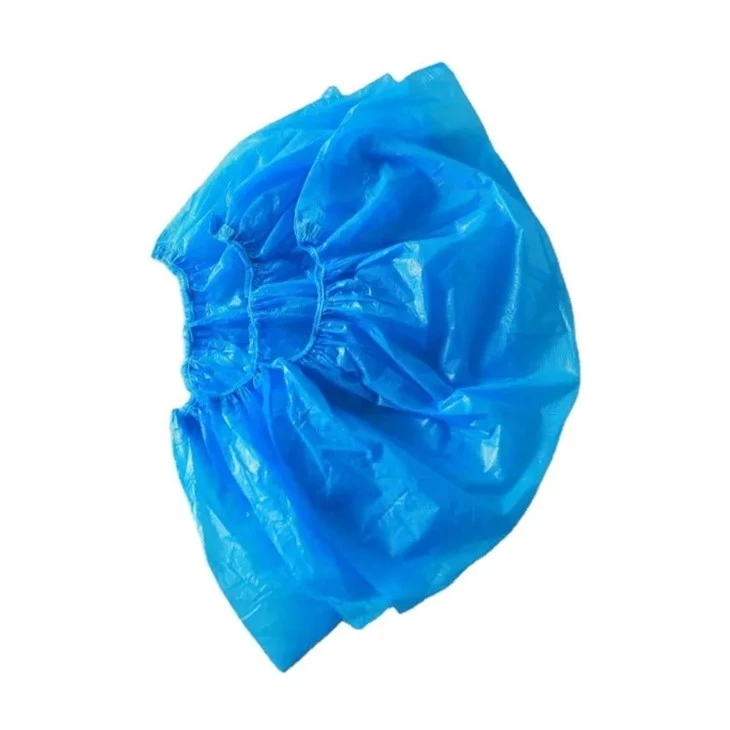

Testing Color - Fastness
To ensure that our disposable plastic shoe covers meet the highest standards of color - fastness, we conduct a series of tests. These tests simulate real - world conditions to evaluate how the shoe covers will perform over time.
1. Light Exposure Test
We expose samples of the shoe covers to artificial sunlight in a light - aging chamber. This chamber is equipped with UV lamps that emit a spectrum of light similar to natural sunlight. The samples are exposed for a specific period, and the color change is measured using a colorimeter. By comparing the initial color with the color after exposure, we can determine the degree of color fading.
2. Chemical Resistance Test
In the chemical resistance test, we immerse samples of the shoe covers in different chemicals commonly found in industrial or cleaning environments. After a set period, we remove the samples, wash them, and measure the color change. This test helps us to understand how the shoe covers will react to chemical exposure and ensure that they maintain their color in such conditions.
3. Friction Test
Friction can also cause color to rub off from the shoe covers. In the friction test, we use a rubbing device to simulate the friction that the shoe covers may experience during normal use. After the test, we check for any color transfer or fading on the rubbing surface and the shoe cover itself.
Meeting Customer Requirements
As a supplier, we understand that different customers have different requirements when it comes to color - fastness. Some customers may need shoe covers that maintain their color for a short - term use, while others may require long - term color stability.
For short - term applications, such as one - day events or temporary clean - up jobs, our standard disposable plastic shoe covers offer sufficient color - fastness. However, for industries with strict color - coding requirements or long - term use, we can provide customized solutions. We can adjust the material composition, manufacturing process, and use of additives to enhance the color - fastness of the shoe covers according to the specific needs of the customer.
Conclusion
In conclusion, disposable plastic shoe covers can have a color - fast design, but it depends on several factors such as material composition, manufacturing process, and environmental exposure. At our company, we are committed to producing high - quality shoe covers with excellent color - fastness. We use advanced manufacturing techniques, high - quality materials, and conduct rigorous testing to ensure that our products meet the expectations of our customers.
If you are in the market for disposable plastic shoe covers and have specific requirements regarding color - fastness, we would be more than happy to discuss your needs. Our team of experts can provide you with detailed information and help you choose the right product for your application. Contact us today to start a procurement discussion and find the perfect disposable plastic shoe covers for your business.
References
- ASTM International. (20XX). Standard test methods for color and color - difference measurement of materials.
- Plastics Industry Association. (20XX). Guide to plastic material properties and performance.