


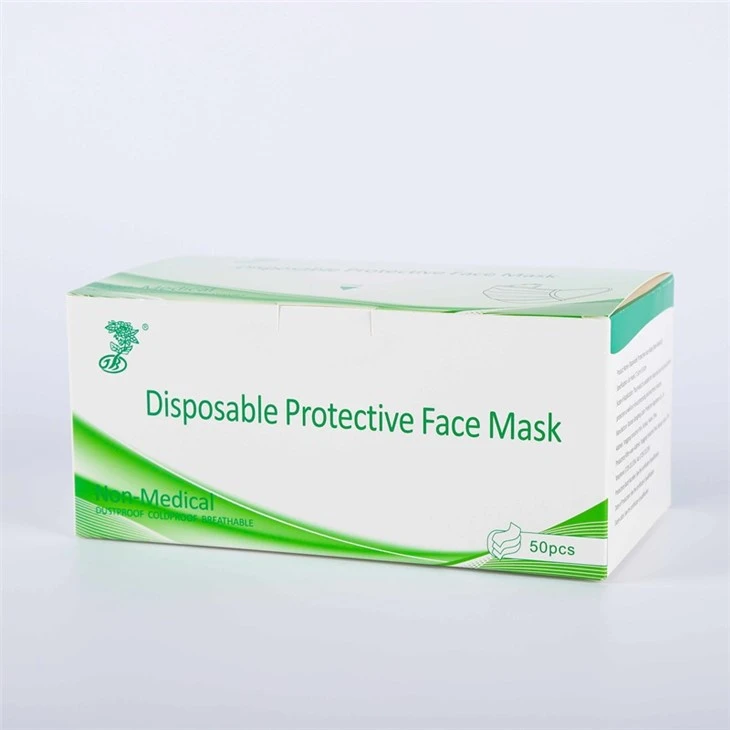
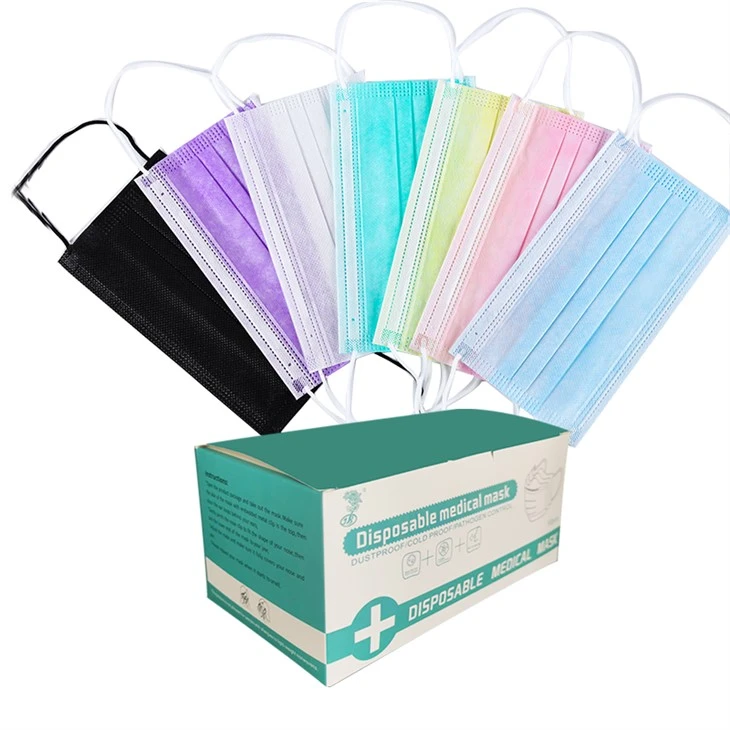
In the wake of the global pandemic, disposable face masks have become an indispensable part of our daily lives. As a supplier of high - quality disposable face masks, I've witnessed a significant surge in demand for various types of masks, such as KN 95 Mask, Disposable Black Medical Face Masks, and Disposable 3ply Civil Adult Masks. However, a question that has been frequently raised by consumers is whether these masks affect our sense of smell. In this blog, we'll explore this topic from a scientific perspective.
The Anatomy of Smell and How Masks Fit In
Before delving into the relationship between disposable face masks and the sense of smell, it's crucial to understand how our olfactory system works. Our sense of smell is a complex process that begins when odor molecules enter our nasal cavity. These molecules bind to olfactory receptors located in the olfactory epithelium, a small patch of tissue high up in the nose. The receptors then send signals to the olfactory bulb in the brain, which processes these signals and allows us to perceive different scents.
Disposable face masks are designed to cover the nose and mouth, creating a physical barrier between the wearer and the surrounding environment. When we wear a mask, it can potentially interfere with the normal flow of air and odor molecules into the nasal cavity. For example, a tightly - fitting mask may restrict the amount of air that reaches the olfactory receptors, reducing the intensity of the scents we perceive.
Types of Masks and Their Impact on Smell
Different types of disposable face masks have varying effects on our sense of smell.
Surgical Masks
Surgical masks are a common type of disposable mask. They are usually made of multiple layers of non - woven fabric and are designed to protect against droplets. These masks are generally looser - fitting compared to some other types. While they do create a barrier, they still allow a relatively large amount of air to flow around the edges. As a result, the impact on the sense of smell is often minimal. However, if the mask is worn tightly or if the wearer has a small face, it may cause a slight reduction in the ability to detect scents.
KN95 Masks
KN 95 Mask are designed to provide a high level of filtration. They fit more snugly on the face than surgical masks, forming a better seal. This tight fit can significantly reduce the amount of unfiltered air that enters the mask. From a smell perspective, a well - fitted KN95 mask may cause a more noticeable decrease in the ability to detect odors. The reduced airflow means that fewer odor molecules reach the olfactory receptors, making it harder to distinguish between different scents.
Disposable 3 - ply Civil Adult Masks
Disposable 3ply Civil Adult Masks are another popular option. These masks typically have three layers, which provide a good balance between filtration and breathability. The impact on the sense of smell can vary depending on the fit and the material of the mask. Some 3 - ply masks may be more breathable, allowing for a relatively normal flow of air and odor molecules, while others with a tighter fit may have a more pronounced effect on smell.
Factors Influencing the Mask - Smell Relationship
Apart from the type of mask, several other factors can influence how a mask affects our sense of smell.
Fit
The fit of the mask is perhaps the most critical factor. A mask that fits too tightly may completely block the normal airflow, making it difficult to detect scents. On the other hand, a mask that is too loose may not provide adequate protection but may also have less of an impact on smell. Adjusting the mask to ensure a proper fit is essential, as it can help strike a balance between protection and maintaining a reasonable sense of smell.
Mask Material
The material of the mask can also play a role. Some masks are made of materials that may have their own distinct odor. For example, certain types of non - woven fabrics used in disposable masks may emit a faint chemical smell. This can not only be unpleasant but may also interfere with our ability to detect other scents. Additionally, materials with a high level of filtration may be denser, which can further restrict the flow of odor molecules.
Duration of Mask - Wearing
The longer we wear a mask, the more likely we are to notice a change in our sense of smell. Prolonged mask - wearing can lead to a phenomenon known as olfactory fatigue. Our olfactory receptors can become desensitized over time when exposed to a constant environment or when the flow of odor molecules is restricted. This means that even if the mask is not severely limiting the airflow, our ability to detect scents may gradually decrease during extended periods of use.
Scientific Studies on Masks and Smell
Several scientific studies have been conducted to investigate the impact of face masks on the sense of smell. A study published in a leading scientific journal found that wearing a mask can lead to a temporary reduction in the ability to detect certain scents. The researchers tested different types of masks and found that the more tightly - fitting masks had a greater impact on smell perception.
However, it's important to note that these effects are usually temporary. Once the mask is removed, the normal airflow to the nasal cavity is restored, and the sense of smell typically returns to normal within a short period.
Benefits vs. Drawbacks
While disposable face masks may have a minor impact on our sense of smell, it's essential to consider the benefits they provide. Masks are a crucial tool in preventing the spread of infectious diseases, such as COVID - 19. They protect both the wearer and those around them by reducing the transmission of respiratory droplets. The temporary reduction in the sense of smell is a small price to pay for the significant public health benefits that masks offer.
Tips for Minimizing the Impact on Smell
If you're concerned about the impact of disposable face masks on your sense of smell, here are some tips:
- Choose the Right Mask: Opt for a mask that fits well but is not overly tight. Look for masks with good breathability, such as some 3 - ply civil adult masks.
- Adjust the Fit: Make sure the mask is adjusted properly so that it doesn't restrict airflow more than necessary. You can adjust the ear loops or the nose clip to achieve a better fit.
- Take Breaks: If possible, take short breaks from wearing the mask to allow your olfactory system to recover. This can help prevent olfactory fatigue.
Conclusion
In conclusion, disposable face masks can have an impact on our sense of smell, but the degree of this impact depends on various factors, including the type of mask, its fit, and the duration of use. While the reduction in smell perception is usually temporary and minor, it's important to be aware of these effects.
As a supplier of KN 95 Mask, Disposable Black Medical Face Masks, and Disposable 3ply Civil Adult Masks, we are committed to providing high - quality masks that offer both protection and comfort. If you are interested in purchasing our disposable face masks for your business or personal use, we encourage you to contact us for a detailed discussion on your requirements and to initiate a procurement negotiation.
References
- [List of relevant scientific papers on the olfactory system and mask - related research, e.g., the journal where the study on mask and smell was published]
- [Any industry reports or guidelines related to face mask usage and its effects]