


Running is a popular and invigorating form of exercise that offers numerous health benefits, from improving cardiovascular health to enhancing mental well - being. However, when running outdoors, one must also consider the potential harm from the sun's ultraviolet (UV) rays. This leads to a common question among runners: Can I wear sunscreen sleeves while running?
The Perils of UV Exposure for Runners
Before delving into the suitability of sunscreen sleeves for running, it's crucial to understand the risks associated with UV exposure. When we run outdoors, our skin is directly exposed to the sun for an extended period. UV rays, especially UVA and UVB, can cause a range of skin problems. UVA rays penetrate deep into the skin's dermis, leading to premature aging, wrinkles, and age spots. UVB rays, on the other hand, are primarily responsible for sunburns and can increase the risk of skin cancer over time.
Runners are particularly vulnerable as they often run during peak sunlight hours, and the continuous movement can cause sweat to wash away traditional sunscreen, reducing its effectiveness. Moreover, the repetitive friction of clothing against the skin can also disrupt the sunscreen layer.

The Functionality of Sunscreen Sleeves
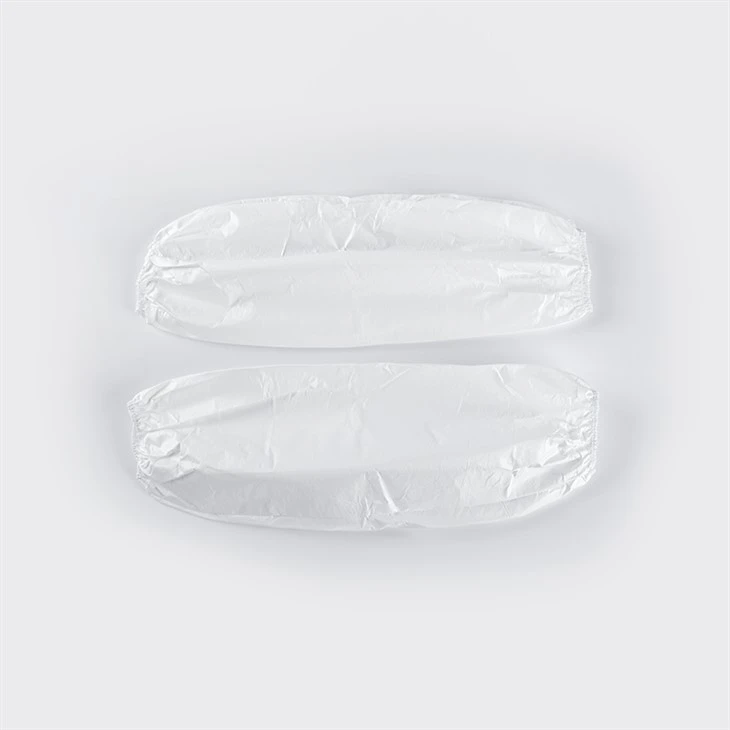
Sunscreen sleeves are designed to provide an additional layer of protection against UV rays. These sleeves are typically made from special fabrics that have a high Ultraviolet Protection Factor (UPF). A high - quality Sunscreen Sleeve can block a significant portion of UVA and UVB rays, offering a reliable shield for your arms while running.
The fabric used in sunscreen sleeves is engineered to absorb and reflect UV radiation. Some sleeves are also treated with chemicals that enhance their UV - blocking capabilities. In addition to sun protection, many sunscreen sleeves are breathable, which is essential for runners. Breathable fabrics allow air to circulate around the skin, preventing overheating and excessive sweating. This can make the running experience more comfortable, especially in hot and sunny conditions.
Advantages of Wearing Sunscreen Sleeves While Running
- Convenience: Applying traditional sunscreen can be a hassle. It requires time to spread evenly on the skin, and it may need to be reapplied frequently, especially when sweating. Sunscreen sleeves, on the other hand, can be easily slipped on and off. You can carry them in your running bag and put them on whenever you need sun protection.
- Long - lasting Protection: Unlike sunscreen, which can wear off due to sweat and friction, sunscreen sleeves provide continuous protection throughout your run. As long as you keep them on, your arms are shielded from the sun's harmful rays.
- Additional Benefits: Some sunscreen sleeves also offer other features. For example, they can provide a certain degree of compression, which may help improve blood circulation in the arms. This can reduce muscle fatigue and soreness during and after running.
Potential Drawbacks and Considerations
While sunscreen sleeves offer many advantages, there are also some potential drawbacks to consider.
- Heat Retention: Although most sunscreen sleeves are made from breathable fabrics, in extremely hot and humid conditions, they may still cause your arms to feel warmer. This can be uncomfortable for some runners, especially those who are sensitive to heat.
- Fit and Mobility: It's important to choose sunscreen sleeves that fit properly. If they are too tight, they can restrict blood flow and movement, which can be a hindrance during running. On the other hand, if they are too loose, they may slide down and become a nuisance.
- Maintenance: Sunscreen sleeves need to be washed regularly to maintain their effectiveness and hygiene. Over time, repeated washing may reduce the fabric's UPF rating, so it's important to replace them periodically.
Choosing the Right Sunscreen Sleeves for Running
When selecting sunscreen sleeves for running, there are several factors to consider.
- UPF Rating: Look for sleeves with a high UPF rating. A UPF of 50+ is considered excellent, as it means the fabric blocks 98% or more of UV rays.
- Breathability: Opt for sleeves made from breathable materials such as polyester or nylon blends. These fabrics allow sweat to evaporate quickly, keeping your arms cool and dry.
- Fit: Make sure the sleeves fit snugly but not too tightly. They should stay in place during your run without restricting movement.
- Durability: Since running can be a high - impact activity, choose sleeves that are durable and can withstand repeated use and washing.
Complementary Protection
While sunscreen sleeves are a great addition to your running gear, they should not be the only form of sun protection. It's still important to wear a hat with a brim to protect your face and neck, and sunglasses to shield your eyes from UV rays. You can also apply sunscreen to any exposed skin areas that are not covered by the sleeves, such as your hands, face, and legs.
Other Options in Our Product Line
In addition to Sunscreen Sleeve, we also offer Disposable Thickened Dust - proof Non - woven Sleeve. These sleeves are ideal for runners who may encounter dusty environments in addition to sun exposure. They provide an extra layer of protection against dust and debris, keeping your arms clean and protected.
Conclusion
In conclusion, wearing sunscreen sleeves while running is a viable and beneficial option. They offer convenient, long - lasting protection against UV rays, and can enhance your running experience in many ways. However, it's important to choose the right sleeves and consider potential drawbacks. By combining sunscreen sleeves with other forms of sun protection, you can enjoy your runs outdoors while minimizing the risk of sun damage.
If you're interested in purchasing high - quality sunscreen sleeves or other related products, we encourage you to reach out to us for procurement and negotiation. We are committed to providing the best products and services to meet your needs.
References
- American Academy of Dermatology. (2023). Sun Protection.
- International Journal of Sports Medicine. (2022). The Effects of UV Exposure on Athletes.