


Wearing a mask has become a common practice in our daily lives, especially in the wake of the global pandemic. Among the various types of masks available, the KN95 mask stands out for its high filtration efficiency, offering excellent protection against fine particles and airborne contaminants. As a KN95 Mask supplier, I often receive questions from customers about the appropriate use of these masks. One question that has piqued my interest recently is, "Can I wear a KN95 mask while sleeping?" In this blog post, I will explore this topic from a scientific perspective and provide some insights to help you make an informed decision.
The Function and Design of KN95 Masks
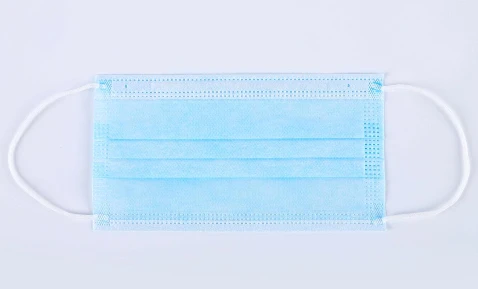
Before delving into whether it's advisable to wear a KN95 mask while sleeping, it's essential to understand the function and design of these masks. KN95 masks are a type of respirator that is designed to filter out at least 95% of airborne particles that are 0.3 microns in diameter or larger. They are made of multiple layers of non - woven fabric, which work together to trap particles and prevent them from being inhaled.
The snug fit of a KN95 mask is crucial for its effectiveness. It forms a seal around the nose and mouth, ensuring that air is filtered through the mask rather than leaking in from the sides. This tight seal is achieved through adjustable straps and a flexible nose clip.
Potential Risks of Wearing a KN95 Mask While Sleeping
Breathing Difficulties
One of the primary concerns of wearing a KN95 mask while sleeping is the potential for breathing difficulties. During sleep, our breathing rate and pattern change. We tend to breathe more slowly and deeply, and our body's demand for oxygen may vary. The tight seal of a KN95 mask can make it more difficult to inhale and exhale, especially for individuals with pre - existing respiratory conditions such as asthma or chronic obstructive pulmonary disease (COPD).
When we wear a KN95 mask, we have to work harder to draw air through the filter. This increased effort can lead to feelings of breathlessness, especially during the night when our body is in a more relaxed state. In some cases, it may even cause a decrease in oxygen levels in the blood, which can have negative impacts on our health.
Skin Irritation
Another issue is skin irritation. Wearing a mask for an extended period can cause friction and pressure on the skin, leading to redness, itching, and even sores. During sleep, we may move around, which can further exacerbate the problem. The warm and moist environment created inside the mask can also promote the growth of bacteria and fungi, increasing the risk of skin infections.
Disrupting Sleep Quality
The discomfort of wearing a KN95 mask can disrupt our sleep quality. Constantly feeling the mask on our face and struggling to breathe can make it difficult to fall asleep and stay asleep. Poor sleep quality can have a range of negative effects on our physical and mental health, including fatigue, irritability, and a weakened immune system.
Situations Where Wearing a Mask While Sleeping Might Be Considered
In a Highly Contaminated Environment
In some rare cases, such as if you are in a highly contaminated environment with a high concentration of harmful particles or pathogens, wearing a mask while sleeping might be considered. For example, if you are living near a construction site or an industrial area with poor air quality. However, even in these situations, it's important to weigh the risks of breathing difficulties and skin irritation against the benefits of protection.
For Medical Reasons
In certain medical situations, a doctor may recommend wearing a mask while sleeping. For example, if you have a contagious respiratory illness and need to prevent spreading the infection to others in the same room. In such cases, it's crucial to follow the doctor's instructions carefully and monitor your breathing and overall well - being.
Alternatives to Wearing a KN95 Mask While Sleeping
Improving Indoor Air Quality
Instead of wearing a mask while sleeping, you can focus on improving the indoor air quality. Using an air purifier with a high - efficiency particulate air (HEPA) filter can help remove harmful particles from the air. Opening windows to allow fresh air to circulate can also be beneficial, as long as the outdoor air quality is good.
Using a Looser - Fitting Mask
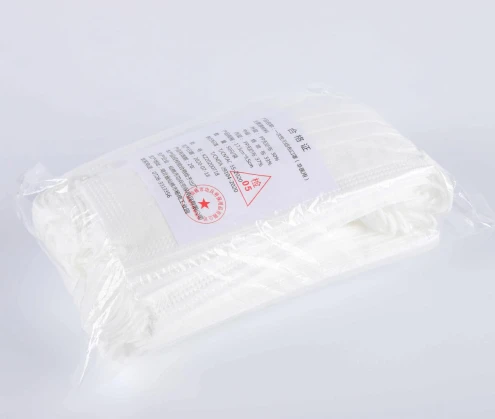
If you still feel the need to wear a mask for some protection while sleeping, you can consider using a looser - fitting mask. Products like the 3 Ply PP Non Woven Face Mask or Disposable Dental Face Mask are less restrictive and may cause less discomfort. These masks are designed for general protection and are not as tightly sealed as KN95 masks, making them more suitable for long - term wear.
As a KN95 Mask Supplier
As a supplier of KN95 masks, I understand the importance of providing accurate information to our customers. While KN95 masks are highly effective for protection in many situations, wearing them while sleeping is generally not recommended due to the potential risks.
However, we also offer a wide range of other mask options that may be more suitable for different needs. For example, our Disposable Black Medical Face Masks are a popular choice for those looking for a comfortable and protective option for everyday use.
If you have any questions about our mask products or need advice on mask usage, please feel free to contact us. We are here to help you make the best choice for your health and safety. Whether you are a healthcare professional, a business owner, or an individual looking for protection, we can provide you with high - quality masks at competitive prices. Reach out to us to start a procurement discussion and find the right mask solution for your needs.
References
- Centers for Disease Control and Prevention (CDC). "How to Wear Masks".
- World Health Organization (WHO). "Advice on the use of masks in the context of COVID - 19".
- American Lung Association. "Understanding Masks and Respirators".