


In the realm of hygiene and protection, shoe covers play a crucial role across various industries, from healthcare and food processing to construction and cleanroom environments. One of the most common debates in this space is whether disposable shoe covers are better than reusable ones. As a shoe cover supplier, I've witnessed firsthand the diverse needs of our clients and the factors they consider when making this decision. In this blog, I'll delve into the pros and cons of both types to help you make an informed choice.
Advantages of Disposable Shoe Covers
Hygiene
Disposable shoe covers are a hygienic choice, especially in settings where contamination risks are high. Once used, they can be discarded, eliminating the possibility of cross - contamination between different areas or tasks. For example, in a hospital operating room, a surgeon will use a new pair of disposable shoe covers for each procedure to prevent the spread of bacteria and viruses. According to a study by the Centers for Disease Control and Prevention (CDC), proper use of disposable personal protective equipment, including shoe covers, can significantly reduce the risk of healthcare - associated infections.
Convenience
They are incredibly convenient. There's no need for cleaning, maintenance, or storage. After use, you simply throw them away. This is particularly beneficial for industries with high - volume traffic or short - term projects. Construction sites, for instance, often prefer disposable shoe covers as workers can quickly grab a new pair at the start of each shift without having to worry about laundering or replacing damaged reusable covers.
Cost - effective for Short - term Use
For short - term or infrequent use, disposable shoe covers are often more cost - effective. You only pay for what you use, and there are no additional costs associated with cleaning, repair, or replacement parts. If you're hosting a one - time event or have a small project that requires shoe covers, investing in disposables is a budget - friendly option.
Wide Range of Materials and Designs
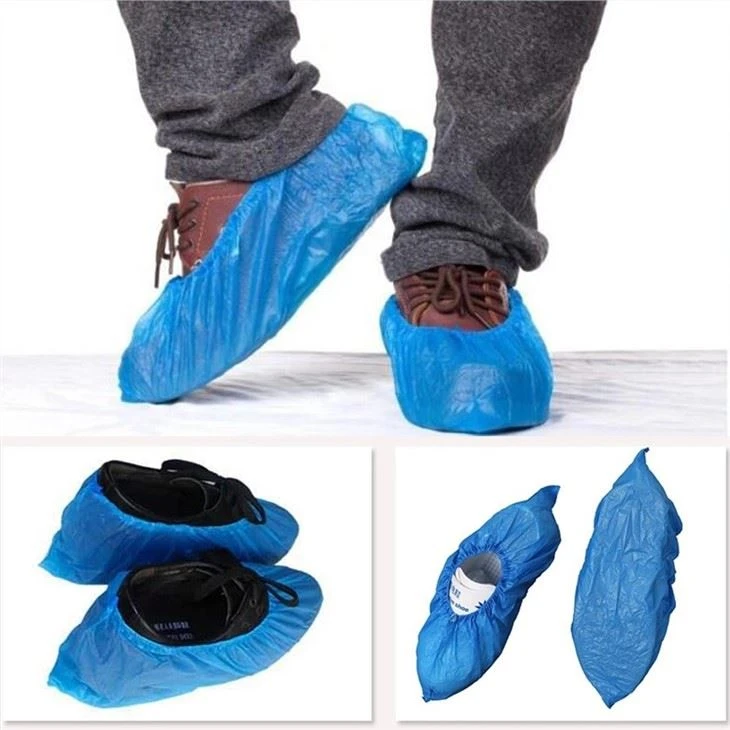
Disposable shoe covers come in a variety of materials, such as plastic, non - woven fabric, and polypropylene. Each material offers different levels of protection and breathability. For example, Disposable Shoe Covers Plastic Material are ideal for wet or dirty environments as they provide a waterproof barrier. Non - woven fabric shoe covers, on the other hand, are more breathable and suitable for indoor, clean environments.
Disadvantages of Disposable Shoe Covers
Environmental Impact
One of the biggest drawbacks of disposable shoe covers is their environmental impact. The large amount of waste generated from single - use products can contribute to landfill accumulation. As more companies and consumers become environmentally conscious, this is an important factor to consider. However, some manufacturers are now producing biodegradable or compostable disposable shoe covers to address this issue.
Durability
Disposable shoe covers are generally less durable than reusable ones. They may tear or puncture easily, especially in rough or abrasive environments. In a construction site with sharp objects or heavy machinery, a disposable shoe cover may not provide adequate protection for an extended period.
Advantages of Reusable Shoe Covers
Durability and Long - term Value
Reusable shoe covers are built to last. Made from high - quality materials such as rubber, nylon, or heavy - duty fabric, they can withstand multiple uses and harsh conditions. While the initial investment may be higher, over time, they can be more cost - effective for long - term or high - volume use. For example, in a manufacturing plant where workers need shoe covers on a daily basis, reusable covers will save money in the long run.
Environmental Friendliness
By using reusable shoe covers, you significantly reduce waste. Instead of throwing away a new pair after each use, you can wash and reuse them multiple times. This is a more sustainable option for companies looking to reduce their environmental footprint.
Customization
Reusable shoe covers can be customized to meet specific needs. You can choose the material, color, size, and even add logos or branding. This is particularly useful for companies that want to promote their brand or have specific safety requirements.
Disadvantages of Reusable Shoe Covers
Hygiene Concerns
If not properly cleaned and maintained, reusable shoe covers can become a breeding ground for bacteria and dirt. Regular cleaning is essential to prevent cross - contamination. In some high - risk environments, such as laboratories or food processing facilities, the risk of incomplete cleaning may be unacceptable, and disposable shoe covers are a safer option.
Cleaning and Maintenance
Reusable shoe covers require regular cleaning and maintenance. This involves time, labor, and additional costs for cleaning supplies and equipment. In a busy work environment, finding the time to clean and dry the shoe covers can be a challenge.
Storage
Storing reusable shoe covers can also be an issue, especially for large - scale operations. You need to have a dedicated space to store the clean and dirty covers separately to prevent contamination.
Making the Right Choice
When deciding between disposable and reusable shoe covers, several factors should be considered:
Usage Frequency
If you only need shoe covers occasionally or for a short - term project, disposable shoe covers are the way to go. However, for long - term, daily use, reusable shoe covers are a better investment.
Environment
The type of environment where the shoe covers will be used is crucial. In high - risk, sterile environments, disposable shoe covers are often the preferred choice to ensure maximum hygiene. In less - critical environments or where durability is more important, reusable covers may be suitable.
Budget
Your budget will also play a role in the decision. While disposable shoe covers are cheaper upfront, reusable covers can save money in the long run for high - volume use.
Environmental Considerations
If environmental sustainability is a priority for your company, reusable shoe covers are a more eco - friendly option. However, if you can find biodegradable disposable shoe covers, they can also be a good compromise.
As a shoe cover supplier, I understand that every client has unique needs. We offer a wide range of both disposable and reusable shoe covers to meet different requirements. Whether you're looking for a cost - effective solution for a short - term project or a durable, long - term option for your daily operations, we can help you find the right product.
If you're interested in learning more about our shoe cover products or have specific requirements, I encourage you to reach out to us for a detailed discussion. We're here to assist you in making the best choice for your business.
References
Centers for Disease Control and Prevention. "Guideline for Isolation Precautions: Preventing Transmission of Infectious Agents in Healthcare Settings."