


Are disposable breathable film sleeves resistant to mold?
As a supplier of Disposable Breathable Film Sleeves, I often encounter inquiries from customers regarding the mold - resistance of our products. This is a crucial question, especially considering the diverse environments in which these sleeves are used. In this blog, I will delve into the factors that determine the mold - resistance of disposable breathable film sleeves and provide an in - depth analysis based on scientific knowledge and practical experience.
Understanding Disposable Breathable Film Sleeves
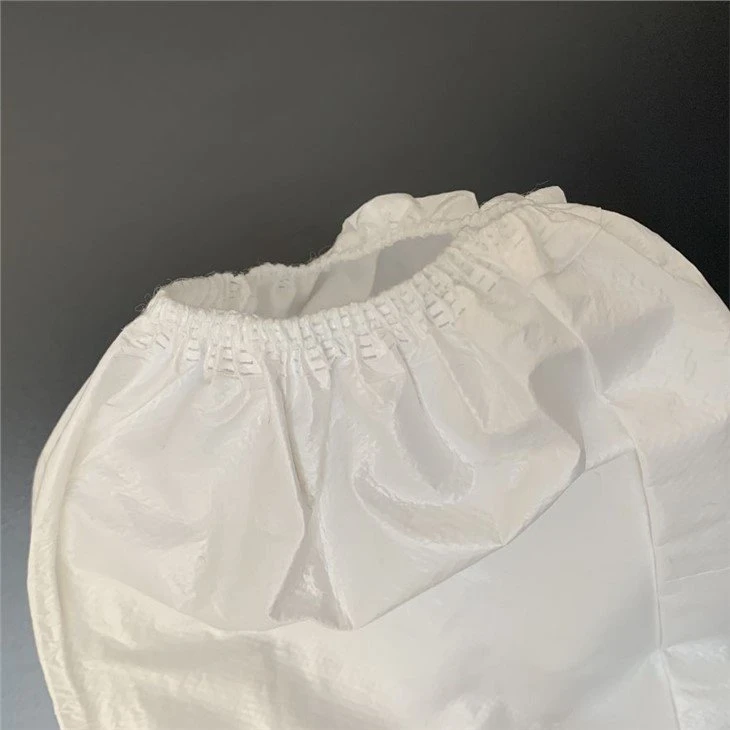
Disposable breathable film sleeves are designed to offer a combination of protection and comfort. They are made from a special type of film that allows air to pass through while still providing a barrier against liquids and contaminants. This breathability is achieved through a micro - porous structure in the film. The Disposable Breathable Film Sleeve is commonly used in various industries, such as food processing, healthcare, and cleanroom environments.
Factors Affecting Mold Growth
Mold is a type of fungus that thrives in warm, damp, and dark environments. For mold to grow, it requires three main elements: a food source, moisture, and a suitable temperature. In the case of disposable breathable film sleeves, the film itself is generally not a direct food source for mold. However, if there are organic substances such as food residues, body fluids, or dust particles on the surface of the sleeves, these can serve as nutrients for mold growth.
Moisture is another critical factor. The breathable nature of the sleeves means that they can allow water vapor to pass through. While this is beneficial for preventing the build - up of sweat and moisture inside the sleeves, it also means that if the external environment is very humid, the sleeves can absorb moisture. If the moisture content remains high for an extended period, it creates a favorable condition for mold growth.
Temperature also plays a role. Most molds grow best in temperatures between 77°F (25°C) and 86°F (30°C). However, some molds can grow at lower or higher temperatures. If the sleeves are stored or used in an environment with a temperature within the mold - friendly range, the risk of mold growth increases.
Mold - Resistance of Disposable Breathable Film Sleeves
The materials used in the production of disposable breathable film sleeves are often selected for their inherent properties that can resist mold growth. Many of these films are made from polymers that are not easily decomposed by mold. For example, polyethylene and polypropylene are commonly used polymers in the manufacturing of these sleeves. These polymers have a stable chemical structure that makes them less susceptible to mold attack.
In addition, some manufacturers may add anti - microbial agents during the production process. These agents can inhibit the growth of mold and other microorganisms on the surface of the sleeves. However, the effectiveness of these anti - microbial agents can vary depending on the type and concentration of the agent, as well as the environmental conditions.
Comparing with Disposable Plastic Waterproof Sleeves
It is interesting to compare the mold - resistance of disposable breathable film sleeves with Disposable Plastic Waterproof Sleeves. Disposable plastic waterproof sleeves are designed to be impermeable to water. While this can prevent external moisture from entering the sleeves, it also means that any moisture inside the sleeves, such as sweat, cannot escape. This can lead to a high - humidity environment inside the sleeves, which is conducive to mold growth if there are organic contaminants present.
On the other hand, disposable breathable film sleeves can reduce the risk of moisture build - up inside the sleeves. But as mentioned earlier, they are more likely to absorb moisture from the external environment. Overall, both types of sleeves have their own advantages and disadvantages in terms of mold - resistance, and the choice between them depends on the specific application and environment.
Preventive Measures for Mold Growth
As a supplier, I always recommend some preventive measures to our customers to ensure the mold - resistance of the disposable breathable film sleeves.
First, proper storage is essential. The sleeves should be stored in a dry, cool, and well - ventilated place. Avoid storing them in areas with high humidity, such as basements or near water sources. If possible, store the sleeves in sealed containers to prevent dust and moisture from reaching them.
Second, regular cleaning and replacement are necessary. In environments where there is a high risk of contamination, such as food processing plants, the sleeves should be replaced frequently. If the sleeves become dirty, they should be cleaned according to the manufacturer's instructions. However, it should be noted that some cleaning methods may damage the anti - microbial properties of the sleeves, so it is important to follow the recommended procedures.

Finally, maintaining a clean working environment is crucial. By keeping the surrounding area clean and free of organic debris, the risk of mold growth on the sleeves can be significantly reduced.
Conclusion
In conclusion, disposable breathable film sleeves have a certain degree of mold - resistance due to the materials used in their production and, in some cases, the addition of anti - microbial agents. However, their mold - resistance is not absolute, and it is affected by factors such as moisture, temperature, and the presence of organic contaminants. By understanding these factors and taking appropriate preventive measures, customers can minimize the risk of mold growth on the sleeves.
If you are interested in our Disposable Breathable Film Sleeves and would like to discuss your specific requirements or have any questions regarding mold - resistance or other aspects of our products, please feel free to contact us for a purchase negotiation. We are committed to providing high - quality products and excellent service to meet your needs.
References
- Atlas, R. M., & Bartha, R. (1998). Microbial Ecology: Fundamentals and Applications. Benjamin/Cummings Publishing Company.
- Hocking, A. D., & Pitt, J. I. (1999). Fungi and Food Spoilage. Aspen Publishers.
- Jay, J. M., Loessner, M. J., & Golden, D. A. (2005). Modern Food Microbiology. Springer.